

When is the best time to visit Poland? Explore it year-round with Kaizen Rent
Poland can feel like a different country from one season to the next. Summer is lively and warm, autumn is calmer and colourful, winter draws visitors to the mountains and Christmas markets, while spring offers milder weather and fewer crowds. So, when is the best time to visit Poland? The answer depends on whether you are planning a city break, a road trip, a beach holiday or a winter escape. Read on to compare Poland weather by month, the busiest travel periods and the best seasons for sightseeing and driving around the country.
Quick answers – best time to visit Poland
- Planning a trip and need fast answers? Here is a snapshot of the best time of year to visit Poland depending on what you are looking for:
- Best overall & road trips (May, June, September): Offers the ideal combination of pleasant temperatures (15-25 °C), long daylight hours, moderate traffic, and fewer crowds. Renting a car from Kaizen Rent during these months gives you the widest vehicle choice and competitive pricing.
- Best for sightseeing (late April to June & September to early October): Mild weather and manageable tourist numbers make it easy to explore major cities like Kraków, Warsaw, and Gdańsk.
- Best for the Baltic coast (July & August): Peak seaside season when coastal resorts are in full swing and Baltic Sea temperatures reach around 18-20 °C.
- Best for snow & winter sports (December to February): The Tatras (especially around Zakopane) and the Beskidy range offer the most reliable snow conditions for skiing and winter activities.
- Cheapest & quietest time to visit (November, January, February): Outside mountain ski resorts, accommodation rates drop, car rental availability improves, attractions remain open, and city parking is far easier.
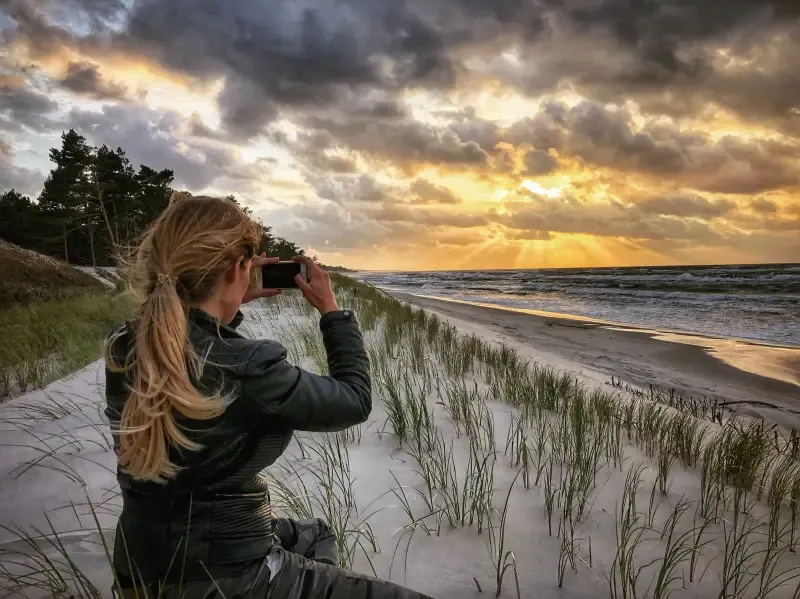
When is the best time to explore Poland by car?
Poland is a fantastic country for road trips, but the best time to get behind the wheel depends on weather, daylight length and traffic volumes.
May and June stand out as the sweet spot of spring. Nature in Poland blooms in May, days become noticeably longer, and temperatures settle around 17-24 °C - comfortable for hours of driving between Warsaw, Kraków, Wrocław and Gdańsk without the July crush.
September is equally great. The "golden Polish autumn" brings stable weather with daytime highs of 18-22 °C, warm colours across forests and parklands, and far fewer tourists than in the June to August window. September is also a month with lower prices and smaller crowds, making it perfect for flexible route planning.
When are conditions trickier for drivers?
- December to February - snow, ice and short days demand winter tyres and extra caution, especially in the mountains.
- July and August - intense traffic on routes to the coast and Zakopane, plus frequent afternoon thunderstorms.
- Late October to November - wet fallen leaves, morning fog and rapidly shortening daylight can reduce visibility.
Before setting off, familiarise yourself with local traffic rules. Kaizen Rent has a detailed guide on speed limits in Poland that covers everything from motorway regulations to built-up areas. And remember that renting a car with air conditioning, quality tyres and 24/7 roadside assistance from Kaizen Rent raises your comfort level no matter the season.
What is the best month to visit Poland? Road trip
There is no single answer - the best month to visit Poland by car depends on your travel priorities. However, May, June and September consistently come out on top as the most universal choices. May and June bring lush greenery and a spring atmosphere, while September offers warmer sea temperatures and the golden colours of early autumn.
Here is how different priorities map to the calendar:
| Travel priority | Best month or period |
| City sightseeing and culture | May - June, September - early October |
| Beach and Baltic coast | Late June - August |
| Mountains and hiking | June - September |
| Snow and ski trip | January - February |
| Budget trip with lowest prices | January, November |
| Outdoor festivals and music events | June - August |
| Autumn colours and quiet roads | Late September - October |
|
May is the best month for a visit to Poland if you want mild weather and the freedom to cover several regions in one trip. September is the month with warm weather and smaller crowds, so remember to keep both on your shortlist. Regardless of the month you pick, Kaizen Rent operates a car rental network across Poland, with branches at airports and city centres nationwide. This makes it easy to start and finish your route in different locations. |
Poland weather by month - how can it affect your road trip?
Poland has a transitional temperate climate - a mix of maritime and continental influences - which means drivers should expect conditions that can change noticeably within a single day. Here is a month-by-month overview with practical notes:
| Month | Average daytime temp | Typical weather | Travel notes |
| January | -1 to 3 °C | Cold, snow possible, short days (~8 h) | Winter tyres essential; stick to main roads; watch for black ice |
| February | 0 to 3 °C | Similar to January; snow in mountains | Great for skiing; limited tourism elsewhere |
| March | 5-8 °C | Early spring; rain, some snow in mountains | Roads can be muddy; good for city visits |
| April | 10-15 °C | Blooming parks; unpredictable showers | Comfortable city exploring; mountain trails still partly snowy |
| May | 17-22 °C | Warm, sunny, occasional storms | Ideal road-trip weather; long days; low traffic |
| June | 20-25 °C | Warm, longest days of the year; June is the wettest month in Poland | Rising tourist numbers; book rental early |
| July | 25-35 °C | Hottest month; heatwaves can exceed 30 °C; summer storms | Peak traffic on coast and mountain routes; AC a must |
| August | 22-28 °C | Still hot; humid; thunderstorms | Highest rental demand; parking tricky at resorts |
| September | 17-22 °C | Stable, often dry; leaves start turning | Lower crowds, excellent driving conditions |
| October | 10-15 °C | Cooler mornings; autumn colours peak | Fallen leaves can make roads slippery |
| November | 4-8 °C | Grey, frequent rain, fog | Low season; short days; great hotel deals |
| December | 0-4 °C | Early winter; snow in mountains; Christmas markets | Winter equipment needed; magical city atmosphere |
|
Average temperatures in July sit around 20-25 °C across the lowlands, while cold months like January and February often dip below zero. Days in Poland are shortest in December, when average temperatures hover around freezing. |
During summer - particularly in July - heatwaves exceeding 30 °C are increasingly common, according to IMGW-PIB climate data. In winter, snow falls from December to March, with the heaviest and most reliable cover in the mountains.
Flexibility helps: in winter, stick to national roads and motorways; in summer, factor in traffic jams heading to the coast and the Tatras; in spring and autumn, be ready for localised flooding and river-valley fog. Kaizen Rent's flexible rental terms - daily, weekly or monthly - let you adapt your road trip if the weather shifts unexpectedly.
Does the weather vary across Poland? Driving conditions
Absolutely. Poland has regionally diverse climates, which directly affect temperature, rainfall and driving comfort in different parts of the country. The Baltic coast, central lowlands and southern mountains each present distinct conditions. When planning a long route - say, Gdańsk to Warsaw to Kraków to Zakopane - check local forecasts and make sure your tyres match the terrain, especially from November through March.
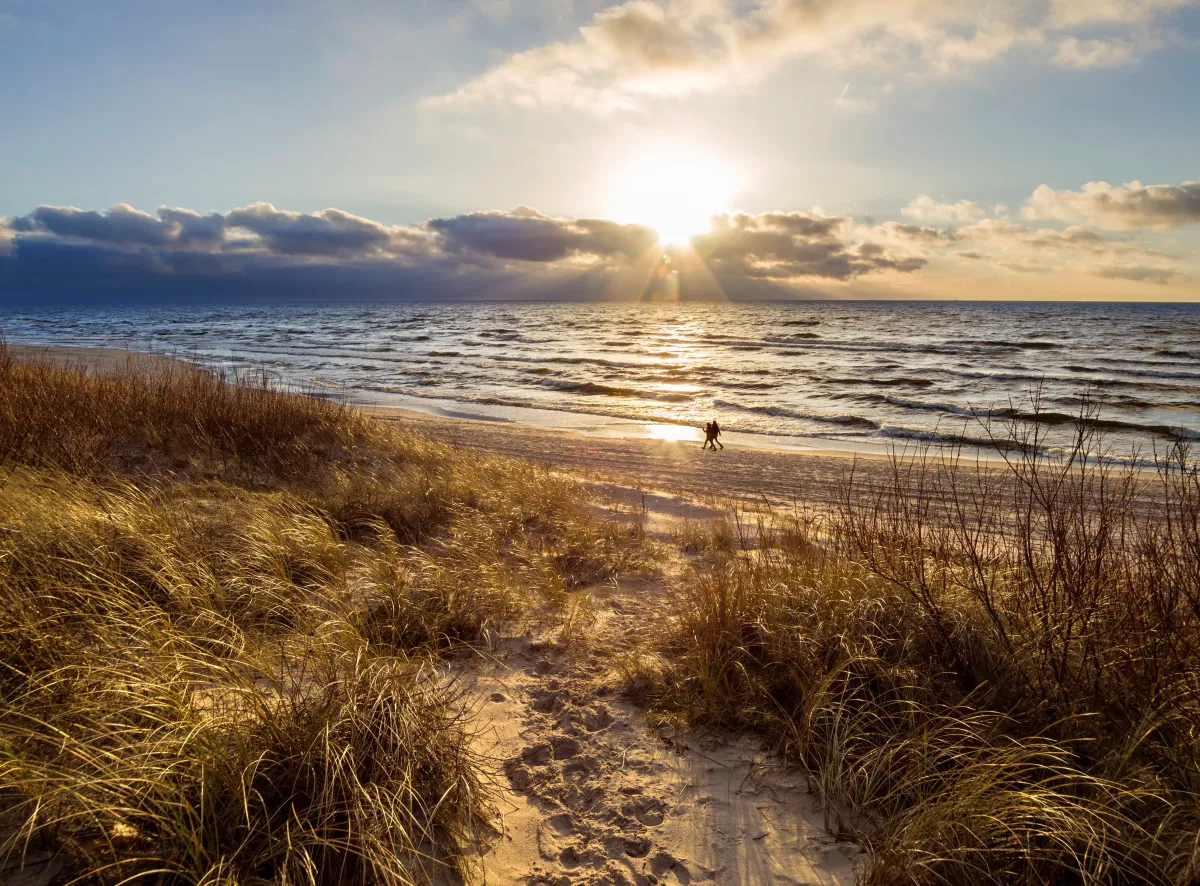
What is the weather like on the Baltic coast?
Summers on the coast are cooler and breezier than inland, with June to August averages of 18-23 °C. Water in the Baltic Sea reaches its warmest in July and August - roughly 18-20 °C, which is relatively high for the Baltic. Winters are milder than in the interior but feel raw because of strong winds.
Drivers should watch for gusty crosswinds, rain-slicked coastal roads and heavy summer traffic around the Tricity area (Gdańsk, Sopot, Gdynia) and resorts like Łeba and Kołobrzeg. For a detailed Baltic Sea Poland itinerary, check Kaizen Rent's coast guide. The best time for a less crowded coastal road trip is late May to June or September.
What is the weather like in central Poland?
Central Poland - Warsaw, Łódź, Poznań - has the most pronounced temperature swings: hot summers reaching 25–30 °C and cold winters with occasional sharp frosts. Rainfall is fairly evenly distributed through the year, with summer thunderstorms being the most dramatic.
Urban driving brings its own challenges: heat islands in summer, localised flooding after heavy downpours, black ice in winter and fog along the Vistula and Warta valleys in autumn. This region is great for city breaks and cultural road trips almost year-round, with the most comfortable driving in May, June, September and October, especially if you start or end your journey with a rental car in Koszalin.
What is the weather like in southern Poland and the mountains?
The south - Kraków, Wrocław, Katowice and the Tatras, Beskidy and Sudety ranges - tends to be warmer in summer and colder in winter than the north. Summer heatwaves above 30 °C are more frequent here, while snow above roughly 800-1 000 m is reliable from late December to March, drawing skiers to Zakopane, Białka Tatrzańska, Karpacz and Szklarska Poręba.
Mountain driving means steep climbs, hairpin bends and ice in shaded spots even when temperatures elsewhere are above freezing. In winter, the best choice from Kaizen Rent is an SUV or larger crossover with proper winter equipment. In summer, a comfortable compact or crossover with air conditioning handles the region well. If you are heading to the Tatra Mountains from Kraków, plan extra time for winding roads.
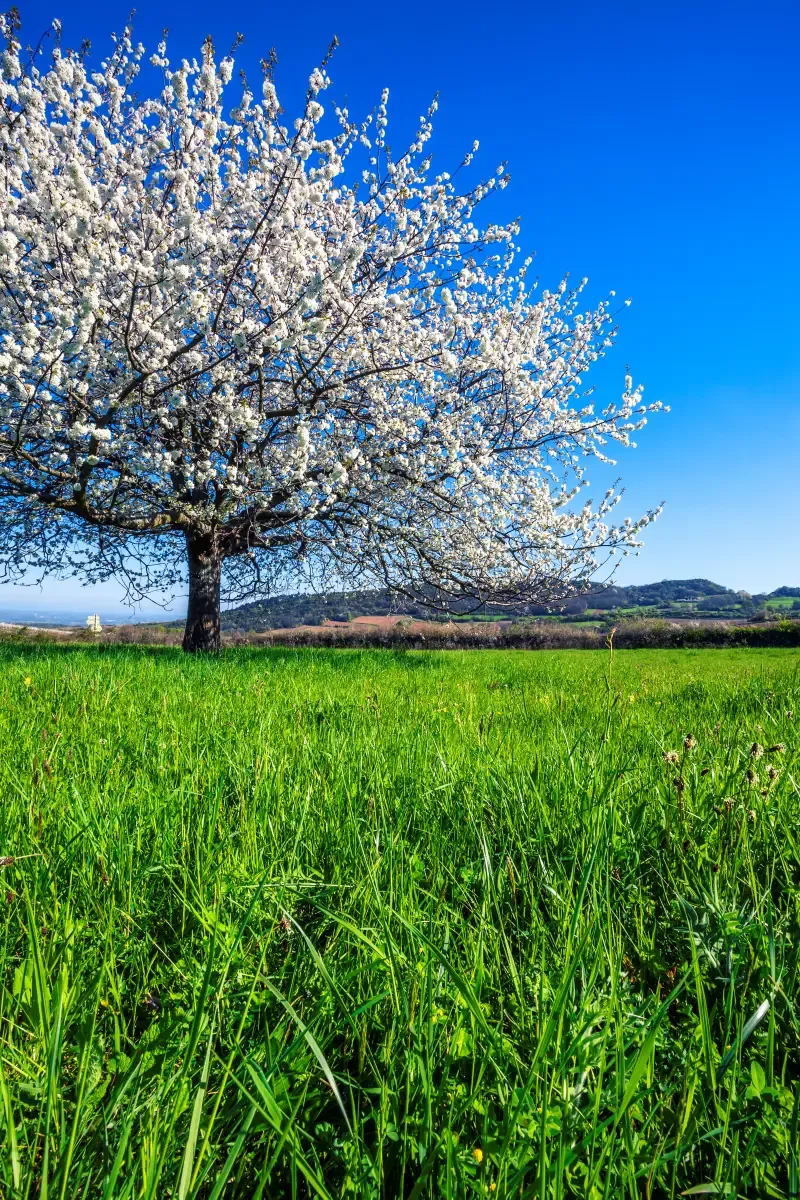
What is Poland like in spring? Spring road trips in Poland
Spring in Poland unfolds gradually: March is still chilly and changeable, but April and May bring warmer days, blooming parks and the start of outdoor café culture - ideal conditions for city breaks and relaxed road trips.
- Weather: daytime temperatures climb from about 10-15 °C in April to 18-23 °C in May; occasional showers are normal.
- Landscape: Spring transforms Poland’s landscapes with vibrant bursts of colour. Lilacs, magnolias, and chestnut trees bloom in city parks and countryside alike. The countryside awakens with fields of yellow rapeseed and blossoming fruit trees, creating picturesque scenes perfect for photography and scenic drives.
- Events: Spring hosts several cultural and traditional events. May is notable for the Corpus Christi processions and outdoor concerts. Early May features the long Majówka weekend, a popular time for locals to travel and celebrate with festivals and fairs. Flower festivals and farmers’ markets also begin to appear, showcasing local produce and crafts.
- Advantages: fewer tourists than in summer, lower hotel prices, easier parking in cities. May and June are ideal months for sightseeing in Poland.
- Drawbacks: unpredictable rainfall, cool evenings, leftover snow in the mountains through early April.
Kraków is most pleasant to visit by rental car in spring and autumn, and Warsaw is best explored in May and September, when Warsaw's parks are at their greenest. Suggested routes include a Kraków-Zakopane-Pieniny loop, a Lower Silesia castle tour (Książ, Czocha) or a city-break circuit through Warsaw, Łódź and Poznań; for more ideas, explore weekend road trips and must-visit destinations in Poland.
A compact C-segment car from Kaizen Rent is a smart spring choice - economical, easy to park in old-town centres and comfortable enough for weekend distances.
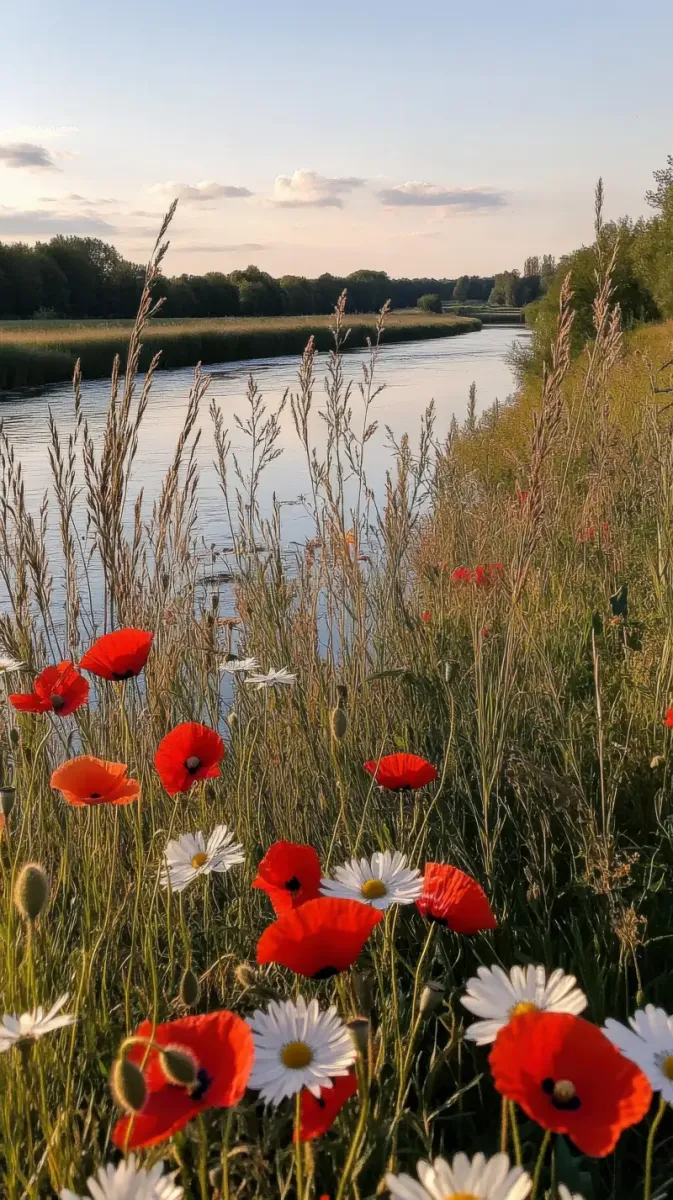
What is Poland like in summer? Summer road trips in Poland
Summer in Poland spans June to August, with daytime temperatures rising from about 22 °C in early June to 25 or even 35 °C in July and August. The season brings long, bright days ideal for exploring and outdoor activities, though occasional afternoon thunderstorms are common, especially in the mountains.
- Landscape: Summer transforms Poland into a lush, vibrant tapestry. Forests and parks are dense with green foliage, wildflowers bloom along country roads, and lakes sparkle under clear skies. Coastal areas come alive with beachgoers enjoying the Baltic Sea, whose waters warm to around 18-20 °C.
- Events: Summer is festival season across Poland. Major highlights include the Wianki midsummer celebrations in Kraków, the Open'er Festival in Gdynia, and the St. Dominic's Fair in Gdańsk. Outdoor concerts, food festivals, and cultural events fill cities and towns, creating a lively atmosphere.
- Advantages: Summer offers the warmest weather, longest days, and full access to outdoor attractions like hiking trails, lakes, and beaches. It’s the perfect time for family vacations and road trips with friends. Cities buzz with energy, and the coastline is at its most inviting.
- Drawbacks: July and August are the busiest months, with crowded tourist spots and higher prices. Traffic jams are common on routes to popular coastal and mountain destinations. Frequent afternoon thunderstorms can disrupt plans, and city temperatures, especially in central and southern Poland, can reach uncomfortable highs.
For families and groups of friends, a car with air conditioning and a spacious boot - estate cars or compact SUVs from Kaizen Rent - makes summer travel far more comfortable. For route inspiration, browse places to visit in Poland in summer and Kaizen Rent's travel blog with city and road trip ideas.
Is air conditioning essential when driving in Poland in summer?
In practice, yes - especially in July and August. Central and southern Poland can see even 30-35 °C in the cities, and spending hours in a car without AC leads to fatigue and reduced concentration. Modern vehicles in Kaizen Rent's fleet come with air conditioning as standard. If you are travelling with children or elderly passengers on June to August routes to Zakopane or the Baltic, AC is not a luxury - it is a safety feature.
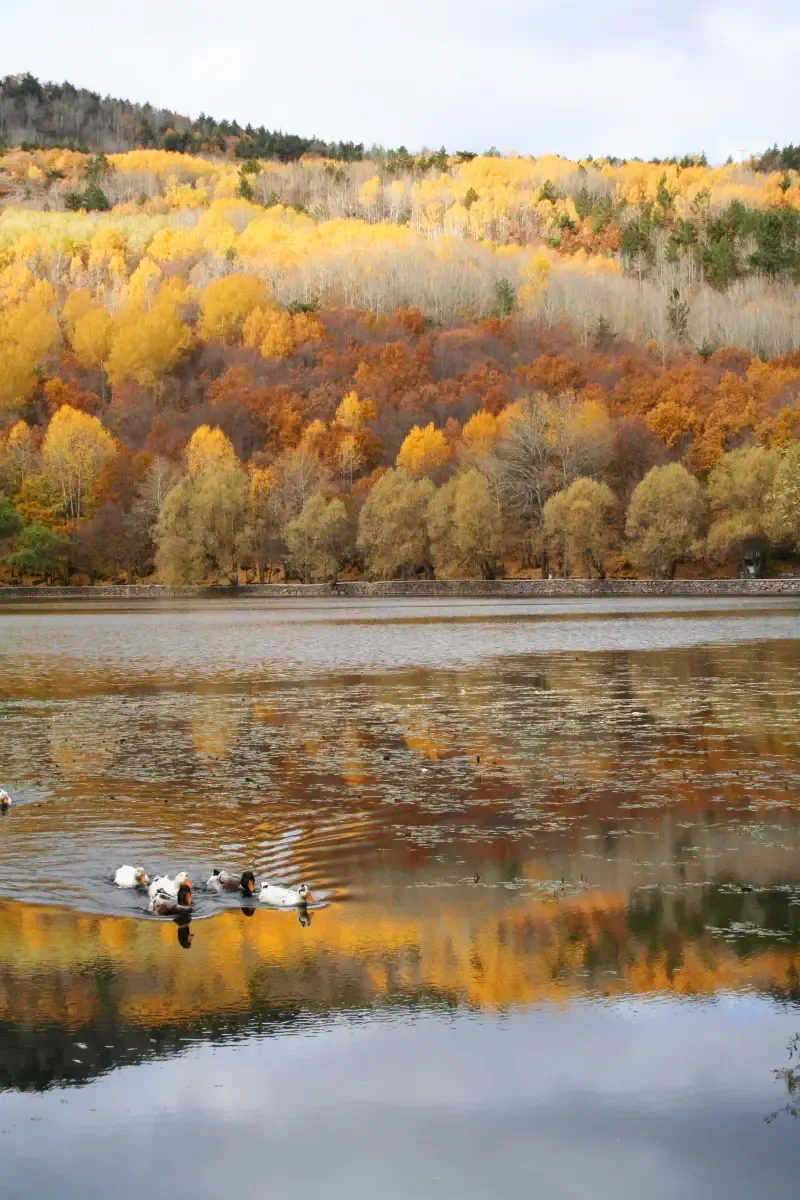
What is Poland like in autumn? Autumn road trips in Poland
Autumn in Poland is a season of transformation, with daytime temperatures gradually cooling from about 18-23 °C in early September to 10-15 °C by October, and occasional crisp, clear days interspersed with light rain.
- The landscape shifts to a breathtaking palette of golds, reds, and oranges, as forests and city parks don their "Golden Polish Autumn" attire. Vineyards and orchards are busy with harvests, adding a rustic charm to rural drives and city outskirts alike.
- Autumn hosts a variety of cultural events and festivals, including harvest celebrations and local fairs. September marks the start of the cultural season in cities like Warsaw, with new theatre and concert programs invigorating urban life.
- Advantages of visiting Poland in autumn include fewer tourists than in summer, lower accommodation prices, and comfortable weather for sightseeing and driving. The season’s rich colours and quieter roads make it perfect for scenic road trips and photography.
- Drawbacks can include shorter daylight hours, cooler temperatures especially in the evenings, and occasional wet weather that calls for flexible travel plans and layered clothing.
Routes to consider: Bieszczady in full autumn dress, Małopolska wine country, or a city loop through Kraków, Warsaw and Gdańsk with noticeably lighter traffic, and you can easily add Świętokrzyskie by choosing a rental car in Kielce. A compact or crossover from Kaizen Rent handles autumn conditions well - comfortable on longer stretches yet nimble in town. For more tips, read about autumn in Poland.
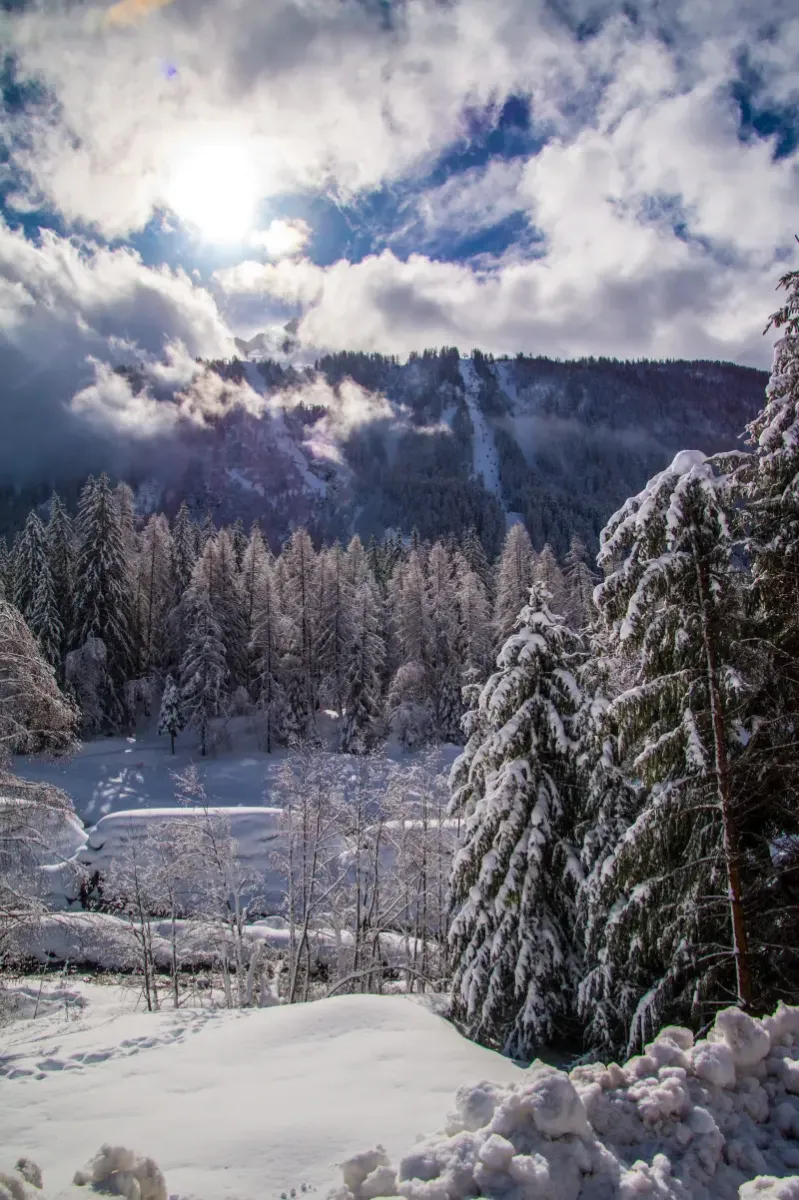
What is Poland like in winter? Winter driving in Poland
Winter in Poland lasts from December to March, bringing cold temperatures, snow, and a unique festive atmosphere.
Weather: Daytime temperatures often range from -1 to 4 °C, with frequent snow in the mountains and occasional snowfall in the lowlands. Days are short, with roughly 8 hours of daylight, and weather can be variable, including fog and icy conditions.
Landscape: Winter transforms Poland into a snowy wonderland, especially in the Tatra and Beskid mountains. Cities and towns glow with Christmas lights and decorations, while parks and forests are blanketed in white, creating picturesque winter scenes ideal for festive walks and photography.
Events: Winter is the season of Christmas markets, especially vibrant in Kraków, Wrocław, Gdańsk, and Warsaw. Traditional celebrations like Wigilia (Christmas Eve dinner) and New Year's festivities bring a warm cultural charm. Ski resorts in the south offer excellent conditions for winter sports, with many tourists flocking to Zakopane and nearby areas.
Advantages: Lower prices and fewer tourists in cities outside holiday periods, magical festive atmosphere, and opportunities for winter sports.
Drawbacks: Cold temperatures, short daylight hours, need for winter driving skills and equipment, and occasional travel disruptions due to snow and ice.
Winter is the best time for skiing in Zakopane and the surrounding Tatra resorts. For winter driving, an SUV or higher-class car from Kaizen Rent provides better stability, higher ground clearance and winter tyres, along with safety assists like traction control. Read Kaizen Rent's full guide to a winter break in Poland for more ideas.
When is Poland busiest and when should you book your rental car?
The best approach is to book your Kaizen Rent car at least a few weeks ahead - and even earlier during peak periods:
- School summer holidays (late June to end of August): the busiest window for coast and mountain destinations. Crowds of tourists begin building in late June and then peak until the end of August, so rental availability tightens.
- Winter school break (January-February): dates vary by voivodeship and year, but mountain resorts like Zakopane fill up fast.
- Majówka long weekend (1-3 May): Constitution Day triggers heavy domestic traffic and motorway congestion.
- Easter (March/April): travel spikes around the holiday; some attractions adjust opening hours.
- Christmas and New Year (24 December-1 January): family travel peaks; premium prices in popular cities.
Major festivals in Poland also drive up demand: Wianki in Kraków is celebrated in June with concerts and fireworks, the Open'er Festival takes place in Gdynia in early July, St. Dominic's Fair in Gdańsk runs from late July to August, and Pol'and'Rock Festival - Europe's largest free music festival - fills up in August. So remember to reserve well in advance for these dates.
What is the best time for a road trip in Poland?
To sum up, the best time for a road trip in Poland is May to June and September. These periods deliver:
- Long daylight hours - enough to drive several hours and still have time for sightseeing.
- Mild temperatures that reduce driver fatigue.
- Lower risk of extreme weather (neither scorching heatwaves nor snowstorms).
- Easier parking and shorter queues at attractions.
Car rental in Poland is particularly beneficial from May to September, when conditions across the country make exploring by road both practical and enjoyable. Outside peak season, it is also simpler to change your route or extend your rental spontaneously - something that pairs well with Kaizen Rent's short- and mid-term options.
If you are driving in Poland as a tourist, reading up on local road rules before departure can save you from fines and confusion.
What type of car should you choose for travelling around Poland?
The right car depends on the season, your group size and the type of terrain you plan to cover:
- Spring / autumn city breaks: compact C-segment hatchbacks or small sedans - easy to park in historic centres, economical on fuel.
- Summer road trips with family: estate cars or compact SUVs - more luggage space, comfortable on long drives, air conditioning standard.
- Winter in the mountains: an SUV or larger crossover - better traction, winter tyres, higher ground clearance for snowy roads.
- Business trips: higher-class sedans with comfort packages and protection plans.
Kaizen Rent also offers child seats, GPS navigation, additional driver options and various insurance packages, as well as long-term van rental across Poland for travellers needing extra space or extended stays. For those staying longer - digital nomads, expats, seasonal workers - long-term rentals and OC replacement vehicles are available, too, backed by Kaizen Rent's customer-focused approach and nationwide presence.
Car rental in Poland – why Kaizen Rent can make seasonal travel easier
Kaizen Rent operates across Poland, with pick-up and drop-off points at major airports, city centres and key tourist regions. What makes seasonal travel simpler?
- A broad fleet of recent-model cars - from compact city cars to SUVs and vans - so you can match the vehicle to the weather and terrain.
- Transparent pricing with no hidden extra cost; online booking takes minutes.
- Short-term, mid-term and long-term rental options that flex with your plans.
- Straightforward pick-up and return procedures, including one-way options between selected locations.
- Protection packages and 24/7 roadside assistance - especially valuable in winter and on long-distance routes.
Having your own rental car means you can be on the coast one day and in the mountains a few days later, without depending on train schedules. That freedom is what turns a good trip into a great one.
What should you check before travelling to Poland?
A little preparation goes a long way toward making the most of your visit. Before you plan your trip:
- Travel documents: passport or national ID for EU citizens; visa requirements vary for non-EU nationals.
- Driving licence: an EU licence is accepted; visitors from outside the EU may need an International Driving Permit.
- Insurance: travel and health insurance are strongly recommended, and if you plan to cross borders by car, check Kaizen Rent's rules for renting a car abroad.
- Car reservation: book the right class for the season; summer and winter break periods fill up fast.
- Road rules: check current speed limits, alcohol limits and toll road payments.
- Route planning: factor in public holidays, weather forecasts and regional driving conditions.
If you are renting a car in Poland as a foreigner, Kaizen Rent's dedicated guide covers all the paperwork and tips you need, and the FAQ on foreign driver's licenses explains which documents are valid and when an international permit is required. Also pack in layers - the temperature gap between city centres and mountain passes can be striking, even on the same day.
FAQ - Frequently asked questions about the weather and the best time to travel to Poland
Is there a rainy season in Poland?
Poland doesn't have the typical rainy season known for tropical countries - rainfall is distributed fairly evenly throughout the year. Statistically, the wettest months are the summer months (June-August) due to violent storms. For a road trip at any time of year, it's worth having an umbrella and a light rain jacket in the car.
What to pack for Poland in spring or autumn?
Layers are best: a T-shirt, a thin sweater, a light waterproof jacket, comfortable shoes with waterproof soles, and a small umbrella. In March-April and October-November, the temperature in a single day can vary from a few to over 15°C. Always pack warmer clothing for the mountains than for cities - even in late spring or early autumn, the peaks can be cold.
Can the weather change significantly during a week's stay?
Yes, Poland's transitional climate means that in one week you can experience sunny, warm days, followed immediately by rain or cold snaps. Therefore, it's worth checking local forecasts daily, especially in the mountains and on the Baltic Sea. A rental car offers great flexibility: if it's raining at the seaside, you can easily move to a large city or another region.
Are tourist attractions open outside the summer season?
Most major attractions-museums, castles, and historical monuments-operate year-round, although opening hours may be shorter in autumn and winter. Some seasonal attractions (amusement parks, swimming areas) operate mainly from May/June to September. Outside of peak season, crowds are smaller and parking is much easier, making car travel easier.
Is the Baltic Sea warm enough for swimming?
The water in the Baltic Sea is warmest in July and August-usually 18-20°C. For many people, this is sufficient for swimming, although it is significantly cooler than in southern Europe. June is mainly visited by seasoned tourists, and September is the time for those who can withstand the cold. Regardless of the water temperature, the Baltic coast is an interesting road trip destination at any time of year, thanks to its landscapes and charming seaside towns.
Are summer thunderstorms common in Poland?
Yes. Short, intense thunderstorms are common during the summer months (June to August), particularly in central and southern Poland and around mountain areas. They usually occur in the late afternoon after hot days, so it is a good idea to monitor local weather apps and build extra time into afternoon drives.
When can you see autumn colours in Poland?
The best time to see peak autumn foliage-known locally as the "Golden Polish Autumn"-is from late September to late October. During this period, national parks, forests, and city parks across Poland transform into vibrant shades of yellow, orange, and red.
See similar articles

Comments (0) Show comments