
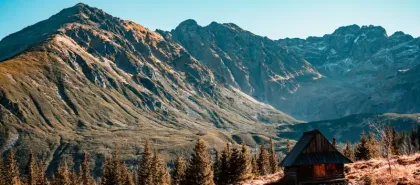
Krakow to Zakopane by car: the easiest way to reach the Tatra Mountains
Although getting from Krakow to the mountains may look simple on a map, the choice of transport can make a real difference in practice. The distance from Krakow to Zakopane is only about 110 km, yet the time it takes to travel, the level of comfort and the flexibility available vary widely depending on your chosen method of travel. If you value independence and the option to stop wherever and whenever you want, travelling from Krakow to Zakopane by car quickly becomes an attractive solution.
This article shows how to reach Zakopane from Krakow, compares available transport options, and explains why driving often works best for both short trips and longer stays in the Tatra Mountains.
Ready for some breathtaking views? Let's go!
Where is Zakopane, and why do travellers go there?
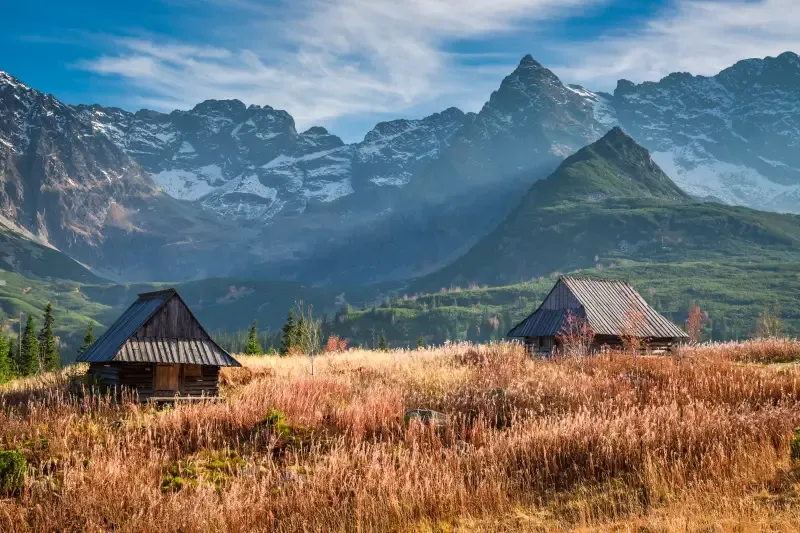
Zakopane is located at the foot of the Tatra Mountains in southern Poland, near the border with Slovakia. This charming town is nestled at an elevation of 800–1,000 metres and serves as the gateway to Tatra National Park, earning it the reputation of being the winter capital of Poland.
From December to March, Zakopane and the whole of the Podhale region transform into a winter sports hub. With over 60 ski lifts — including the famous Kasprowy Wierch cable car, which reaches 1,987 metres — the area attracts skiers, snowboarders, and other winter sports enthusiasts from across Europe. The town even boasts a ski jumping hill that has hosted international competitions.

But Zakopane isn’t just for winter visitors. In summer, hikers flock to the area to explore the Polish Tatra Mountains, where they can follow trails leading to beautiful destinations such as Morskie Oko, one of Poland's most stunning mountain lakes, which attracted over 1.1 million visitors in 2025 alone. The area offers everything from gentle walks to challenging alpine routes.
Beyond its natural beauty, the town of Zakopane offers a rich culture and a variety of experiences worth exploring:
-
Krupówki Street – the vibrant heart of Zakopane. This 1.5-km pedestrian promenade is lined with around 200 restaurants, cafés, traditional inns and stalls selling local souvenirs and smoked cheese (oscypek). It’s a good place to start your visit and soak up the lively mountain-resort atmosphere.
-
Gubałówka Hill – easy access and stunning views. Reach the summit by funicular railway or on foot and enjoy panoramic vistas of the Tatra Mountains and Zakopane. It is especially recommended for afternoon sightseeing and photography.
-
Kościeliska Valley or Chochołowska Valley – shorter yet equally picturesque options. Ideal for groups with limited time, these valleys offer accessible, well-organised routes and breathtaking alpine landscapes.
-
Traditional Zakopane architecture and heritage. The town is home to over 300 wooden villas built in the distinctive Highland style, combining Art Nouveau influences with local traditions. Visiting the Tatra Museum and its branches, such as Villa Koliba, provides valuable insight into regional history, architecture and highlander culture.
-
Local cuisine – the taste of the mountains. Do not miss oscypek, a PDO-protected smoked sheep’s cheese available at shepherds’ huts and market stalls. The Oscypek Museum offers interactive workshops, tastings and demonstrations, making it a memorable cultural and culinary experience, especially for small groups.
-
Thermal baths. Unwind after a day in the mountains at the Chochołów Thermal Baths or the spa facilities in Zakopane, which offer relaxation and recreational fun.
Whether you’re planning a Zakopane day trip or using the town as a base for exploring the wider region, the combination of stunning landscapes, year-round activities and authentic local flavours makes it easy to understand why this is one of Poland’s most beloved destinations.
For more inspiration and practical tips, explore Krakow Tatra Mountains: top things to see and do in the region. To discover even more ideas and attractions, read What to do in Zakopane in the winter? TOP activities.
But how do you get there, and what mode of transport should you choose?
How far is Zakopane from Krakow, and how long does the journey take?
Let's get straight to the numbers. The distance from Krakow to Zakopane is approximately 105–110 km by road, depending on your starting point. If you are leaving from Krakow's old town, be prepared for a journey of around 110 km; from the airport, it is closer to 105 km.
The journey by car in optimal conditions takes between 1 hour 45 minutes and 2 hours. However, in practice, the journey time is often longer:
|
Scenario |
Expected journey time |
|
Normal weekday traffic |
2–2.5 hours |
|
Summer weekend |
2.5–3 hours |
|
Winter weekend/ski season |
3–3.5 hours |
|
Christmas/New Year period |
3.5+ hours |
The main route follows the S7 expressway out of Krakow and then the DK47 (commonly called the “Zakopianka”). While the first section offers dual carriageway speeds of up to 120 km/h, the road narrows further south, passing through towns like Rabka-Zdrój and Nowy Targ with lower speed limits and occasional bottlenecks.
For comparison, other transport options typically take longer:
-
Buses: 2.5–3 hours
-
Trains: 3–4 hours
-
Taxis/transfers: similar to driving, but at a much higher price
If you’re wondering how to beat the traffic, timing is everything. Leaving Krakow before 7 am or after 8 pm can cut delays by 30–50%.
How can you get from Krakow to Zakopane?
Travelling from Kraków to Zakopane is easier than you might think. Whether you prefer the freedom of driving your own car, the convenience of public transport, or an organised transfer, there are several ways to get to the Tatra Mountains, and each has its own advantages.
Kraków → Zakopane (one way) – cost comparison table
| Transport method |
Cost (PLN) |
Cost basis |
Notes |
| Bus | 25 - 50 PLN |
Per person |
Usually the cheapest option; prices rise during holidays and weekends |
| Train | 30 - 160 PLN |
Per person |
Depends on the type of train and promotions and advance booking |
| Taxi | 350 - 650 PLN |
Whole trip (car) |
Fares, surcharges, and traffic jams can significantly increase cost |
| Apps / Provate transfer | 300 - 550 PLN |
Whole trip (car) |
Prices vary with demand; often more predictable than street taxis |
| Rented car | from 38 PLN / day |
Whole trip (car) |
It depends on the type of car, as well as other conditions such as the period and extras, plus fuel |
Is travelling by bus a good option?
One of the most popular ways to travel from Kraków to Zakopane is by bus. Below you’ll find a summary of the pros and cons of this mode of transport, which will help you decide whether it’s right for you.
Advantages of travelling by bus from Kraków to Zakopane
-
Low price. Tickets for the Kraków → Zakopane route start from around 20–30 PLN one way when booked in advance. This is definitely one of the cheapest transport options on this route.
-
Frequent and direct connections. Buses run up to several dozen times a day — often every 30 minutes to an hour. No changes are required — most services are direct from Kraków Bus Station (MDA) to Zakopane Bus Station.
-
Journey time. The average journey time is approx. 2–2.5 hours in normal traffic conditions.
-
Simple to organise. You can buy a ticket online or on the spot at the MDA station — you don’t need to book far in advance, though it’s better to do so during peak season.
-
The comfort of modern coaches. Many operators offer Wi-Fi, air conditioning and power sockets — which enhances the comfort of the journey.
The downsides of travelling by bus from Kraków to Zakopane
-
Travel dependent on traffic conditions. The bus follows the same route as cars, namely the busy Zakopianka road; traffic jams during the high season or at weekends can add up to an hour or more to the journey.
-
Limited luggage space. Space for luggage and ski/sports equipment is usually more limited than in a car, particularly on standard routes.
-
Less freedom whilst travelling. You cannot stop freely along the way or choose your own viewpoints or places to take a break.
-
Crowded during peak season. During peak periods (holidays, public holidays, long weekends), buses can be full — so it’s worth buying your ticket in advance.
-
Local travel restrictions. Upon arrival in Zakopane, you may need to use local buses or taxis if your accommodation or attractions are further away from the station.
Buses are best suited for solo travellers on a budget who plan to stay in the city centre. If you are transporting skis, prams or several large pieces of luggage, the limitations become more noticeable, and renting a car may prove to be a more convenient option.
What about taking the train?
Zakopane has a train station, and direct services run from Kraków Główny. However, trains are generally slower and less frequent than buses on this route.
Advantages of travelling by train:
-
Comfortable seats with more legroom than on a bus
-
Toilets and sometimes WiFi on board
-
Picturesque views from the window while travelling through the Polish mountains
-
No traffic jams or stress associated with driving
Disadvantages of travelling by train:
-
Few daily departures (4–6) – limited flexibility
-
Slower travel compared to car or express bus
-
Possible delays due to weather conditions or track works
-
Starting and ending points limited to railway stations, no door-to-door transport
Trains suit relaxed travellers with ample time who enjoy watching stunning mountain views unfold through the window.
Is a taxi from Krakow airport to Zakopane worth it?
Strictly speaking, you can book a taxi directly from John Paul II International Airport in Kraków or from the centre of Kraków to Zakopane. However, this is by far the most expensive option for travelling this route.
Advantages of a taxi
-
Door-to-door – as soon as you step off the plane, you get straight into the car
-
You don’t have to worry about navigation or driving, especially after a long flight
-
You can leave immediately, without waiting for a bus or train
Disadvantages of a taxi
-
High cost – up to 4–5 times more expensive than hiring a car for the whole day
-
Limited flexibility once you reach Zakopane – if you want to travel further, each subsequent journey incurs an additional charge
-
No opportunity to stop at interesting places along the way – you won’t see the panoramic views, thermal springs or small mountain villages
Why choose Krakow to Zakopane by car?
A car journey from Kraków to Zakopane opens up possibilities that public transport simply can’t offer. You can stop off in the picturesque village of Małe Ciche, take a walk in the Kościeliska Valley, drive up to Gubałówka for panoramic views, visit the wooden church in Dębno Podhalańskie, or try some fresh oscypek cheese at a local shepherd’s hut. For the more active, there are rafting trips down the Dunajec, cycle routes and a rope park in Białka Tatrzańska. Having your own car means all these attractions are within easy reach.
Driving makes particular sense if you’re:
-
Travelling with family or a group of friends
-
Carrying skis, snowboards, hiking gear or children’s equipment
-
Planning to explore multiple destinations around the Tatra region
-
Working with limited time and want maximum flexibility
Then there’s comfort. Climate control, your own music, snacks within reach, space to stretch, and valuables staying with you rather than under a bus. For longer stays, having a car means you can explore trailheads, villages and thermal pools at your own pace—no need to arrange local buses or additional taxis.
When you split the hire cost between 3–4 people, the price per person is often lower than that of a taxi or a family coach trip during the high season. It offers a perfect combination of affordability and convenience.
Why is renting a car in Krakow a smart choice for this route?
Hiring a car with Kaizen Rent is an easy, flexible and stress-free solution. Thanks to convenient collection points both in the centre of Kraków – Radzikowskiego 5a, 31-305 Kraków, and at Kraków Airport, you can set off on your journey without any hassle. Whether you’re heading off for a weekend break or a longer holiday in the mountains, having your own car gives you freedom, comfort and flexibility, allowing you to explore at your own pace.
Benefits of Renting with Kaizen Rent
With Kaizen Rent, you enjoy all the advantages of a modern, well-maintained vehicle without long-term commitments. Here’s what you get:
-
Easy online booking – transparent pricing with a 5% discount for online payments. You can also book or get assistance via the form on our website www.kaizenrent.pl/en, by telephone at +48 76 727 99 99, or by e-mail at [email protected].
-
Wide selection of vehicles – choose from compact cars, estates, SUVs, or vans to fit your travel needs.
-
Optional extras – child seats and additional protection packages like Comfort PLUS (Super Collision Damage Waiver) for peace of mind.
-
Convenient collection and return – at Kraków Airport or at our Kaizen Rent branch in Kraków, ensuring your journey is hassle-free. Additionally, we can deliver and collect the car from your chosen address or via our Meet & Greet service, where we can meet you at shopping centres, the train station or the bus station. If your train or bus is delayed, you don’t have to wait for the next one – the car will be ready as soon as you arrive. You can hire a car from Kaizen Rent and hit the road without any hassle.
-
24/7 customer service – help is always available, wherever you are.
-
Free booking and cancellation – cancel up to 48 hours before pick-up without any fees.
-
No mileage limits – explore Poland without restrictions.
Flexible Rental Options for Every Traveller
-
Short-term rentals – perfect for city breaks or weekend trips.
-
Monthly rentals – ideal for extended exploration.
-
Long-term rentals – great for business travellers or longer stays.
-
Minibus rental – perfect if you’re travelling with a larger group or family.
Does renting a car make sense for airport arrivals?
Absolutely. Thanks to Kaizen Rent’s office in the heart of Kraków International Airport, in the arrivals hall, 1st floor, Level 2, you can count on a quick pick-up and convenient drop-off immediately upon arrival or just before departure. It’s the simplest and quickest way to head straight from the airport to Zakopane and make the most of your time in the mountains.
This is particularly valuable if:
-
Your flight lands early in the morning or late in the evening, when public transport to Zakopane is limited.
-
You want to spend more time in Zakopane, rather than wasting hours on transfers and waiting at transport hubs.
-
You prefer a single, straightforward booking covering your entire journey from arrival to return.
You can always count on the support of our team, who will answer all your questions and assist you with any issues relating to car hire. By choosing Kaizen Rent, you can be sure that getting around Kraków, Zakopane and the surrounding area is always within easy reach.
Is renting a car cost-effective for a Zakopane trip?
Hiring a car from Kaizen Rent is a solution that can prove very cost-effective, especially if you’re travelling in a group or with your family. Prices start from just 38 PLN per day, and you can easily split the cost between the number of passengers, just like fuel costs.
Why choose Kaizen Rent:
-
Economical and modern cars – all vehicles are well-equipped, comfortable and safe, as well as fuel-efficient.
-
Flexible rental options – short-term, monthly, long-term, and even minibuses, ideal for larger groups.
-
No hidden costs – unlimited mileage allows you to explore Zakopane and the surrounding area freely without additional charges.
-
Savings for groups – travelling in one car with family or friends is often cheaper than buying several bus or train tickets.
-
Convenience on arrival – you don’t need to use taxis or transfers, which reduces additional expenses.
-
Comfort PLUS Package (SCDW) – It waives liability for damages and reduces the deposit to a nominal amount of 1 PLN.
Thanks to these benefits, renting from Kaizen Rent offers not only convenience and freedom of travel, but also an economical way to explore the Tatra Mountains entirely on your own terms.
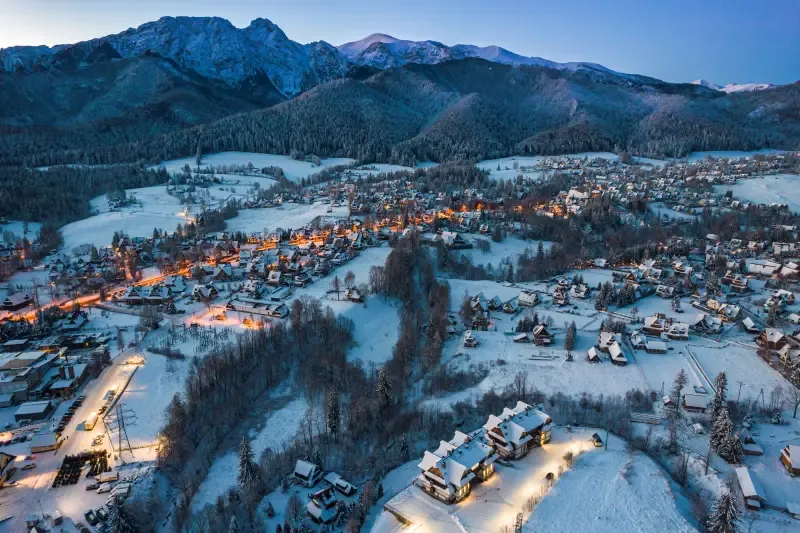
Is it realistic to visit Zakopane on a day trip from Krakow?
If you’re an early riser, a day trip from Kraków to Zakopane is definitely possible. Setting off early, between 6.30am and 8.00am, means you can reach Zakopane before midday. Here’s an example of how such a plan might look:
-
A stroll along Krupówki Street to experience local life.
-
A visit to the Oscypek Museum – a demonstration of traditional cheese-making and a tasting or workshop.
-
A cable car ride up to Gubałówka or a short walk with beautiful views.
-
Lunch at a regional inn serving local specialities.
-
An afternoon stroll by the stream or a light hike – e.g. to Nosal or a short route in the Kościeliska Valley.
-
Returning to Kraków in a hire car from Kaizen Rent.
This is an intensive but feasible plan for 2–5 people, ideal if you want to make the most of a single day in the Tatra Mountains.
Weekend Getaway – more time, more experiences
If you’re able to spend the whole weekend here, your experience of the Tatra Mountains will be much more enjoyable:
-
Friday evening – arrival and check-in in Zakopane.
-
Saturday – a full-day trip to the Kościeliska Valley or Morskie Oko, followed by a regional dinner in the evening.
-
Sunday – relaxation at the popular thermal baths or a short walk before returning to Kraków.
A weekend offers the chance to take things at a more leisurely pace, relax and fully immerse yourself in the mountain atmosphere.
What should you keep in mind before driving to Zakopane?
Before you set off, run through this pre-departure checklist:
Documents and essentials:
-
Valid driving licence (EU licences accepted; non-EU may need an International Driving Permit).
-
ID or passport.
-
Credit or debit card – If you’re unsure whether you can pay for your car hire with a debit card, take a look at this article: 👉️ https://kaizenrent.pl/en/car-rental-rules-it-possible-rent-car-without-credit-card
Driving in Poland as a tourist – Polish road rules to remember:
-
Drive on the right
-
Seatbelts mandatory for all passengers
-
Headlights must be on at all times (day and night)
-
Speed limits: 50 km/h in towns, 90 km/h on rural roads, 140 km/h on motorways
Practical planning:
-
The weather in the mountains can change very quickly. Make sure you take a rain jacket with you, and pack an extra jumper in case the temperature drops suddenly.
-
Parking in Zakopane is limited and expensive during the high season. Make sure you have enough cash.
Summary: The best ways to travel from Kraków to Zakopane
With a bit of planning, the Krakow to Zakopane drive in a rental car is straightforward, scenic, and rewarding. Whether you’re chasing winter sports, summer hiking in Tatra National Park, or simply want to experience the unique architecture and local traditions of this beautiful mountain town, having your own wheels gives you the freedom to explore on your terms. Landing at Balice Airport or spending time in Kraków itself is also a great opportunity to visit this historic city and soak in its vibrant culture, art, and cuisine. What to Do in Kraków: Exploring Poland's Cultural Heart offers endless options for history lovers, foodies, and anyone looking to experience the soul of Poland.
FAQ: planning a visit to Zakopane from Krakow
What can I see along the way from Krakow to Zakopane?
The route passes through the rolling Polish countryside and small towns, as well as through river valleys. Notable stops include Myślenice, where you can enjoy a quick coffee break, and the pleasant spa town of Rabka-Zdrój. You can also visit the regional centre of Nowy Targ, which has markets on Thursdays and Saturdays. For a cultural detour, the village of Chochołów features beautifully preserved wooden houses dating back to the 1800s, and the nearby Chochołowskie Termy thermal baths offer indoor and outdoor pools fed by natural thermal water.
Is the drive from Krakow to Zakopane scenic?
The journey becomes progressively more beautiful. The first stretch out of Krakow is urban and suburban, but as you head south, the landscape shifts to forests, the Raba river valley, and eventually wide mountain views. If the weather is good, you’ll see the Tatra peaks on the horizon near Nowy Targ and Poronin. Plan one or two safe stops at lay-bys so you can enjoy the spectacular views and take photos.
Are there good places to stop for food or coffee on the route?
Several fuel stations and roadside restaurants line the Zakopianka, particularly near Myślenice, Pcim and Rabka-Zdrój. Look for traditional karczma inns serving regional dishes, like kwaśnica, moskole (sheet-baked flatbreads), oscypek with cranberries, hałuski (potato dumplings) and a bandit-style flatbread. Closer to Zakopane, Highland-style restaurants offer smoked cheese and hearty soups. Plan at least one break on the 2–3 hour drive, especially in winter or when travelling with children.
Which areas in Zakopane are easiest to reach by car?
Central Zakopane around the main street is accessible but has limited, mostly paid parking—spaces fill quickly by mid-morning in high season. Districts like Krzeptówki, Pardałówka and near Nosal often have accommodation with on-site parking. For Tatra National Park access points like Kuźnice (Kasprowy Wierch cable car) or Palenica Białczańska (Morskie Oko), drive to nearby car parks and use shuttles or walk from there.
Can I use Zakopane as a base for exploring the Tatra Mountains?
Absolutely. With a car, you can easily reach Morskie Oko about 40 - 60 minutes drive to the Palenica car park (Tip: buy tickets online in advance for much cheaper prices.), Dolina Kościeliska, Dolina Chochołowska, thermal pools with warm waters and health properties at Białka Tatrzańska, and viewpoints like Gubałówka Hill or Butorowy Wierch. You can also drive to border crossings for the Slovak Tatras.
Is it easy to park in Zakopane during peak season?
Parking can be challenging during Christmas, New Year, winter school holidays and summer months (July–August). Municipal paid zones and private car parks near Krupowki street fill quickly, and prices rise during peak times. Choose accommodation with its own parking and arrive early for central visits.
Are there alternative routes worth considering if traffic is heavy?
The main Zakopianka route is what most navigation systems suggest. Some secondary roads through villages exist but are typically slower, narrower and less comfortable. Rather than seeking complex alternatives, shifting your travel time (very early morning or late evening) is usually more effective.
Is the Krakow to Zakopane route suitable for first-time drivers in Poland?
Yes. Many visitors drive this route annually, and for most of its length it’s a standard national road suitable for drivers with normal experience. Main challenges include traffic density at busy times, winter weather conditions, and speed cameras in built-up areas. Take extra care if driving after a long flight, schedule breaks, and choose a comfortable vehicle —Kaizen Rent can accommodate these requests.
What should I pack for a Zakopane trip in different seasons?
-
Winter (December–March): Warm layers, waterproof outerwear, winter boots, hats, gloves; ski equipment if not renting locally
-
Spring/Autumn: Layered clothing, waterproof jacket, sturdy walking shoes—weather changes quickly in the mountains
-
Summer: Light clothing for town but bring a fleece for higher-altitude hikes; sun protection, water bottle, comfortable hiking boots
-
Year-round essentials: Travel documents, driving licence, phone charger for navigation, any child car seats needed (or pre-book with Kaizen Rent)
Can I combine Zakopane with other destinations in southern Poland?
With a rental car, road trips become easy. Popular additions include:
-
Dunajec River Gorge – traditional raft trip near Szczawnica (1.5 hours from Zakopane)
-
Krynica-Zdrój – historic spa town (2 hours)
-
Oświęcim – Auschwitz-Birkenau Memorial (1.5 hours from Krakow, on a separate day)
Map out driving times between destinations in advance, allowing adequate rest and free time for sightseeing rather than rushing.
See similar articles

Comments (0) Show comments