
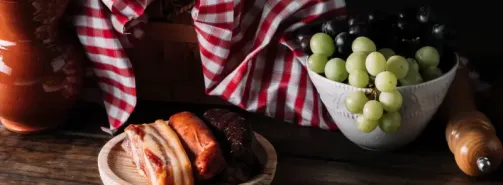
Polish food tour – the best Polish food to try and where to find it
What if the best way to discover Poland wasn't through its landmarks, but through its food? A Polish food tour takes you from the aroma of freshly baked obwarzanek in Kraków and comforting bowls of żurek to smoked mountain cheeses in Podhale and fresh fish served on the Baltic coast. Every region has its own flavours, traditions, and recipes that tell a different story.
In this guide, you'll discover the best Polish food to try, where to find authentic regional specialties, and which cities deserve a place on every food lover's itinerary. Whether you're planning a weekend getaway or a road trip across the country, you'll find plenty of inspiration for an unforgettable culinary journey through Poland.
Quick answers – Polish food tour
- A complete culinary roadmap: This article outlines a real road trip route across Poland - covering Kraków, Podhale, the Baltic Coast, Mazury, Podlasie, Silesia, Poznań, and Warsaw - rather than just listing random dishes.
- Diverse regional flavors: Polish cuisine changes significantly from region to region. The mountains, Baltic coast, lakes, and eastern borderlands all offer vastly different food experiences, with distinct local specialties like oscypek, fresh fish, kartacze, and traditional desserts (piernik and sękacz).
- The best food is off the beaten path: While major cities like Kraków, Gdańsk, Warsaw, and Wrocław offer great dining, the most authentic traditional Polish food is found outside busy tourist centers - hidden away in village inns, shepherds' huts, small ports, and agritourism farms.
- Autumn is the prime season: Autumn is widely considered the best time for a Polish food tour, thanks to the abundance of fresh forest mushrooms, game, and perfect weather for hearty, warming soups like żurek or classic bigos.
- Freedom of a rental car: Traveling by car is the ultimate way to explore, giving you the flexibility to detour to local producers, weekend markets, and hidden gems between major cities.
- Seamless travel with Kaizen Rent: Ideal for a multi-region food trip, Kaizen Rent offers airport pickup across Poland, flexible rental periods, and a fleet of newer vehicles to make your culinary road trip smooth and hassle-free.
What is the best Polish food to try first?
If you are visiting Poland for the first time and can only eat a few things, focus on these. Rather than a long encyclopedia, here are the essentials split into four categories.
Polish classics:
- pierogi (filled dumplings served with sour cream - especially the ruskie variety with potato and cheese),
- żurek (sour rye soup with sausage and egg),
- bigos (a hearty hunter's stew traditionally cooked for up to 5 days),
- kotlet schabowy (breaded pork cutlet),
- gołąbki (cabbage leaves stuffed with minced pork and rice, topped with tomato sauce).
Regional favourites:
- oscypek (smoked sheep's cheese from Podhale),
- kartacze (giant potato dumplings from Podlasie),
- rogal świętomarciński (Poznań's crescent pastry),
- śląska rolada (Silesian beef roulade).
Street food:
- obwarzanek krakowski (ring-shaped bread),
- zapiekanka (open baguette with mushroom sauce, cheese and toppings),
- grilled kiełbasa from market stalls,
- kaszanka - fried blood sausage made with buckwheat - at festivals.
Desserts:
- sernik (cheesecake),
- pączki (Polish donuts filled with strawberry jam),
- piernik (Toruń gingerbread).
What makes Polish cuisine worth exploring?
Polish cuisine rewards curiosity. The regional diversity alone is remarkable - coastal fish in Pomerania, smoked cheese in the mountains, potato-heavy dishes in the east and hearty dumplings in Silesia. Recipes are passed through generations; a family's bigos or sękacz recipe may not appear in any cookbook.
Seasonal cooking shapes every menu: spring greens, summer berries for sweet pierogi, autumn forest mushrooms, winter stews and fermented foods. Poland also has one of Europe's strongest soup cultures - many meals start with a warm bowl of something restorative. Local ingredients like buckwheat, wild berries, rapeseed oil, honey, freshwater fish and pickled cucumbers appear everywhere.
Historical influences from German, Jewish, Lithuanian, Ukrainian and Czech traditions show up in dumplings, breads and cakes. Poland has dozens of officially protected regional food products registered in the EU, from oscypek to rogale świętomarcińskie - a great way to identify truly authentic items. The country also produces Żubrówka, a distinctive bison grass vodka, and Krupnik, a honey-infused vodka worth trying alongside dinner.
Why plan a Polish food tour by region, not only by city?
The best traditional Polish dishes are rarely found in downtown tourist zones. The difference between eating oscypek in a Kraków souvenir shop and buying it directly from a bacówka (shepherd’s hut) in the Tatra region is like comparing a postcard with the real landscape.
When you step inside an authentic, wooden bacówka near Zakopane, you will immediately notice the rich smell of woodsmoke. Shepherds still light a traditional bonfire (called watra) inside the hut to smoke the cheeses by hand, using centuries-old methods. True, EU-protected oscypek made with sheep's milk can only be bought here, and only during the sheep-grazing season from May to October!
Similarly, Baltic fish tastes freshest in small, sleepy port villages like Hel or Łeba, while the eastern region of Podlasie is famous for hearty, wood-fired kartacze sourced straight from local family farms.
Poland features distinct regional specialties and robust food tour scenes that only a car can properly connect. Having a rental car from Kaizen Rent in Poland lets you stop spontaneously whenever a roadside sign advertises fresh forest honey or freshly smoked trout - exactly the kind of unforgettable culinary moment a rigid train or bus timetable simply cannot offer.
Małopolska and Kraków – obwarzanek, maczanka, oscypek and mountain flavours
Kraków is the natural starting point for your culinary adventure. The city is celebrated for its traditional Southern Polish cuisine, historic royal feasts, and rich Jewish culinary heritage - all perfectly visible in its bustling restaurants and market stalls.
As you explore, grab a fresh obwarzanek from a classic blue street cart, try maczanka krakowska (a centuries-old pulled-pork style dish) in a cozy bistro, and warm up with a rich bowl of żurek served inside a hollowed-out loaf of bread. For a brilliant everyday food culture walking tour, make sure to visit the historic Stary Kleparz market and Hala Targowa, where locals buy fresh regional produce. Crispy placki ziemniaczane (potato pancakes) served with sour cream are another lovely, comforting find in smaller, family-run Kraków eateries.
No trip to Kraków is complete without a late-night visit to the Kazimierz district for a famous zapiekanka. These open-face toasted baguettes topped with mushrooms and melted cheese originated in the 1970s as a clever "crisis food" during the communist era. Today, the legendary stalls inside the round market building (Okrąglak) at Plac Nowy serve them with a modern twist - try adding local smoked cheese and cranberry sauce!
From here, you can easily drive south towards Zakopane and the Podhale region, or head east to Nowy Sącz for early hints of hearty mountain flavours. Simply land at Kraków Balice Airport, pick up your Kaizen Rent car at Balice, and your culinary road trip begins the moment you start the engine.
Podhale and the Tatra region – smoked cheese, highland dishes and mountain inns
As you climb the scenic Zakopianka road, the menu shifts entirely. Oscypek, bundz, and bryndza - all deeply rooted in sheep's milk traditions - are best bought directly from authentic bacówki displaying the official EU PDO logo, a status protected since 2007.
When dining in traditional mountain inns in villages like Chochołów or Bukowina Tatrzańska, look out for grilled lamb, moskole (baked potato flatbreads slathered in garlic butter), and massive plates of placek po góralsku (crispy potato pancake topped with rich meat goulash).
When ordering soup, don’t confuse mountain kwaśnica with a standard Polish cabbage soup (kapuśniak). A true highlander’s kwaśnica is much more hardcore: it is incredibly tart, made exclusively with fermented sauerkraut juice and a heavy smoked meat broth. It never contains vegetables like carrots or celery, which would sweeten the taste. It’s pure, sour, warming energy designed for harsh mountain weather.
Keep in mind that authentic oscypek can legally only be produced in specified Podhale areas during the traditional sheep-grazing season, roughly between May and October. Having a rental car is a game-changer here, allowing you to easily connect these scattered wooden villages, scenic mountain viewpoints, and relaxing thermal baths across the Tatra region.
Pomerania and the Baltic Coast – fish, Kashubian flavours and seaside food stops
The northern chapter of your tour introduces you to Poland's unique maritime flavors, beautifully combined with traditional Polish comfort food. In Gdańsk, dive into local seafood by trying Baltic herring in various marinades, fresh cod, flounder, rich fish soup, and gold-standard smoked fish sourced straight from harbor smokehouses.
While Gdynia tempts with modern, innovative bistros, neighboring Sopot invites you for coffee and cake along its famous seaside promenade. If you are looking for the absolute freshest catch of the day, cruise down the narrow Hel Peninsula.
As you detour into nearby scenic Kashubian villages, make sure to look for ruchanki - delightful, fried yeast pancakes - and other local pastries.
Don’t blush when ordering ruchanki in a local bakery! The name has a purely innocent, historical origin. It comes from the old Kashubian word for yeast dough that has begun to rise and ferment, which locals described as the dough "moving" (ruszać się). Traditionally, resourceful housewives made these fluffy, golden-brown pancakes from the leftover bread dough scraped from the mixing bowls, usually frying them with fresh apples and dusting them with powdered sugar.
As a general rule, the best traditional fish fryers are hidden away from the crowded main tourist promenades - having a rental car helps you spontaneously follow local recommendations into quiet, authentic fishing ports. This region also showcases some of the most beautiful places in Poland, from wild beaches to atmospheric Hanseatic streets. To top off your day, combine your fresh fish dinner with a refreshing local craft beer and a sunset walk along Gdańsk's historic Motława River.
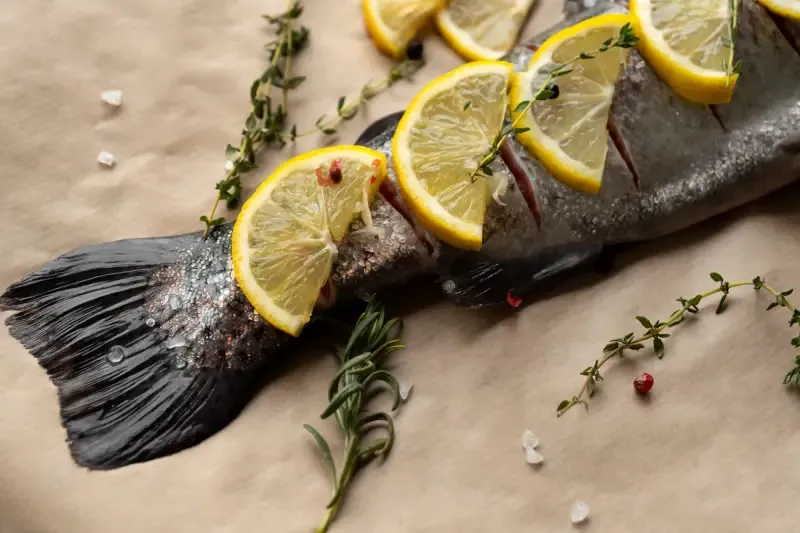
Mazury and Warmia – freshwater fish, lakeside inns and regional comfort food
The "land of a thousand lakes" is a paradise for slow travel, offering an idyllic route between Mikołajki, Giżycko, Mrągowo, and Olsztyn. Here, the culinary stars are fresh lake fish like:
- sielawa (vendace),
- sandacz (pike-perch),
- szczupak (pike),
Served beautifully grilled, baked, or accompanied by delicate, creamy sauces.
Many traditional lakeside inns source their fish directly from local fishermen, proudly marking their daily specials as "caught this morning."
Keep an eye out for sielawa - it is the ultimate culinary icon of the Masurian lakes! Because this small fish is incredibly delicate and spoils faster than any other freshwater species, it must be prepared immediately after catch. Locals love to fry them whole until they are crispy like potato chips, bones included, or smoke them over alder wood. Smoked sielawa is a legendary regional delicacy that you can often buy straight from small smokehouses hidden by the water.
Beyond the water, the region’s rolling hills provide fantastic local honeys (especially linden and rapeseed), artisanal farmhouse cheeses, and hearty pierogi packed with seasonal wild fillings. Exploring this interconnected network of lakes and forests is best done by car, allowing you to discover quiet piers and hidden village taverns, especially if you combine it with weekend road trip routes around Poland that link Mazury with other regions.
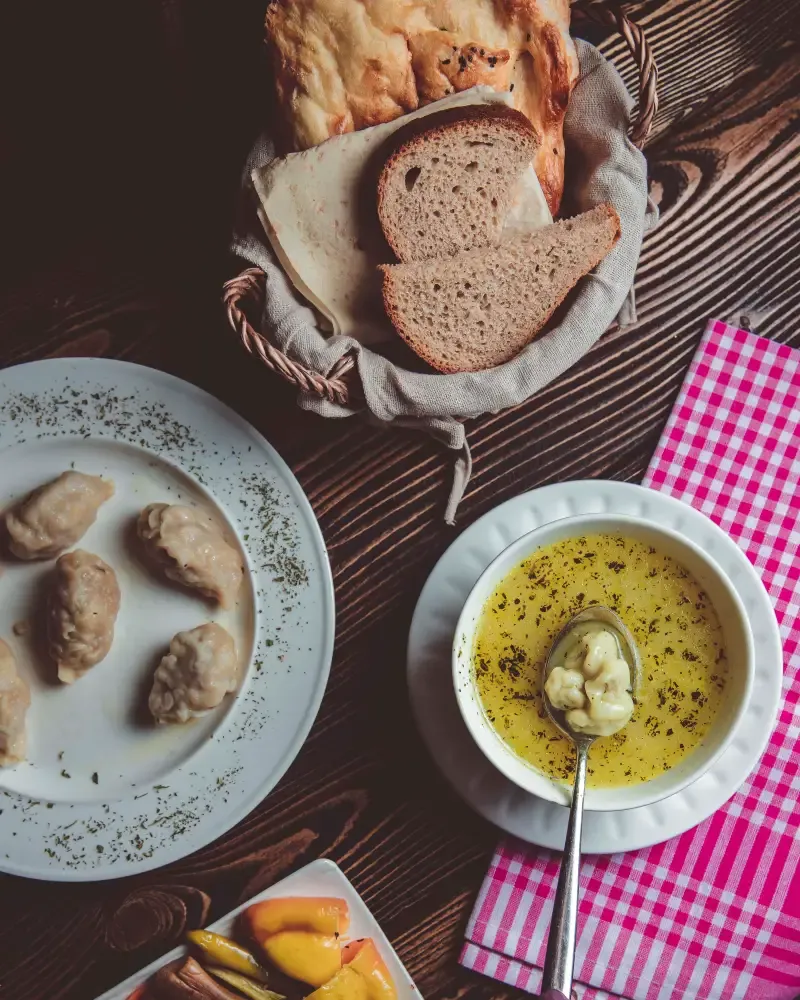
Podlasie – sękacz, kartacze, babka ziemniaczana and multicultural food traditions
One of Poland's most distinctive and rewarding food regions is Podlasie, easily reachable from Warsaw in just a few hours by car. Here, the menu shifts toward comforting, heavy dishes perfect for slower travel. Make sure to try:
- kartacze (giant potato dumplings stuffed with seasoned meat),
- babka ziemniaczana (a rich potato pie baked until golden and crispy),
- sękacz cakes.
The region's unique charm lies in its fascinating multicultural mix. Centuries of shared history between Polish, Belarusian, Lithuanian, and Tatar traditions have infused the local food scene with distinct spices and preparation methods you won't find anywhere else in the country.
Your culinary road trip should include a stop in Białystok for modern city dining, the peaceful town of Supraśl for the best potato specialties, and historic Tykocin, which is famous for its slow-roasted duck and rich Jewish heritage. For a truly unforgettable experience, drive further east to the villages of Kruszyniany and Bohoniki to dine in authentic Tatar restaurants right beside centuries-old wooden mosques.
Tatar cuisine has been vibrant in Poland for more than 600 years, and its crown jewel is pierekaczewnik. This legendary pie is so labor-intensive that it is protected by the EU. It consists of six paper-thin layers of dough, individually stretched by hand, greased with butter or goose fat, and rolled tightly with sweet or savory fillings like mutton, beef, or sweet cheese. Because preparing it takes hours, it is a rare delicacy that tastes best when sourced straight from local Tatar families.
Silesia and Lower Silesia – hearty regional dishes and historic city food routes
Upper Silesia brings:
- rolada śląska (beef roulade),
- kluski śląskie (dimpled potato dumplings),
- modra kapusta (braised red cabbage),
- żur śląski.
Lower Silesia shows Czech and German influences in cakes, breads, and regional beers.
Wrocław is recognized by the MICHELIN Guide as a must-visit food spot and is known for its craft beer and vodka scene - Browar Stu Mostów is a notable brewery worth visiting. The city is also home to Piwnica Świdnicka, one of Europe's oldest breweries, operating since 1273.
Wrocław food tours typically feature 8–10 tastings of local dishes, giving you plenty of chances to explore the city's bridges and iconic bronze gnomes between meals, and you can find more ideas like this on the Kaizen Rent travel inspiration blog.
Ever wondered why traditional kluski śląskie have that distinct little dimple in the middle? It is not just for decoration! The thumbprint indentation is designed with practical culinary physics in mind: it perfectly catches and holds the rich, savory gravy from the beef roulade, ensuring every single bite delivers maximum flavor.
Greater Poland and Poznań – rogale świętomarcińskie, pyry and city food traditions
Poznań sits conveniently between Silesia and the coast. Try pyry z gzikiem (potatoes with cottage cheese and herbs) as an everyday favourite, and rogale świętomarcińskie - rich crescent pastries with white poppy seed and nut filling, EU-protected and traditionally linked to 11 November.
Duck dishes, local pastries, and speciality coffee fill the city's cafés. Real rogale can only be made by certified bakeries -worth knowing for a November visit. Park outside the centre and explore the Old Market on foot for a compact walking tour. For more inspiration, check out our Poznań city guide.
Poznań’s sweet pride, the rogal świętomarciński, is no ordinary pastry -a single croissant can weigh up to 250 grams and packs around 1,200 calories! The unique filling is made specifically with rare white poppy seeds, vanilla, raisins, and candied orange peel. While millions are devoured on St. Martin's Day (November 11th), certified bakeries in Poznań stock them all year round so you don't have to wait for autumn to try one.
Central Poland and Warsaw – classic Polish dishes, milk bars and modern Polish cuisine
Warsaw lets you taste the full spectrum of Polish cuisine in one city. Nostalgic milk bars serve budget-friendly staples like pierogi, żurek, and pyzy, while modern restaurants rework traditional recipes using seasonal ingredients, buckwheat, and ferments. Trendy food halls further allow you to sample everything from street food to craft beer under one roof.
A typical 3-hour Warsaw food tour includes 8–12 tastings led by local guides sharing cultural stories. These tours can easily accommodate vegetarian or vegan preferences and often feature handmade pierogi, traditional pastries, and local vodka or beer. If your central Polish route continues beyond the capital, the nearby city of Łódź also offers excellent regional food tours.
Despite the name, a milk bar is not a dairy shop. These communist-era relics were originally subsidized to provide affordable, egg-and-flour-based meals for working citizens. Today, they remain a unique cultural phenomenon where students, corporate workers, and seniors rub shoulders over comforting, cheap plates of comfort food.
Polish soups – why they deserve a place on your food tour
Don't skip lunch soup in Poland - you would miss a big part of local life.
- Żurek is Poland's national soup, enjoyed year-round, made from fermented rye starter with sausage, egg and potatoes.
- Barszcz - clear beetroot soup - appears with uszka dumplings at Christmas and in everyday bars.
- Rosół (chicken broth) is a typical Sunday starter many Poles associate with family.
- Krupnik (barley soup)
- Ogórkowa (sour cucumber soup) are filling, rustic options after long walks.
Among European countries, Poland stands out for how often soup appears as a separate course, even in simple weekday meals.
Pierogi and dumplings – the Polish classic everyone should try
Pierogi are the most recognisable symbol of polish food for visitors. Savoury types include:
| Name | Description | |
| Classic / Traditional Fillings | Ruskie | Potato & farmer's cheese with onion (most popular!) |
| Z kapustą i grzybami | Sauerkraut & wild mushrooms (Christmas tradition) | |
| Z mięsem | Minced meat (pork/beef) with onion | |
| Z serem | Sweet white cheese with sugar & vanilla | |
| Z owocami | Fresh fruit – blueberry, strawberry or cherry | |
| Modern / Creative Fillings | Z szpinakiem i fetą | Spinach & feta cheese |
| Z łososiem | Smoked salmon with cream cheese | |
| Z soczewicą | Lentils with vegetables (vegan) | |
| Z kaszą gryczaną | Buckwheat & mushrooms | |
| Z serem i ziołami | Herb cream cheese | |
| Z kaczką i żurawiną | Duck & cranberry | |
| Z dynią | Pumpkin & sage | |
| Seasonal / Regional Fillings | Z kapustą i grochem | Sauerkraut & yellow peas (Christmas tradition) |
| Z kaszą i twarogiem | Buckwheat & curd cheese (eastern Poland) | |
| Z jagodami | Wild blueberries (summer specialty) |
Sweet & fruit pierogi are most commonly served without toppings – with a dollop of sour cream or a dusting of powdered sugar. Savoury pierogi are traditionally served with crispy bacon bits (cracklings) and fried onion.
Every region has its own preferred dough thickness, filling ratio and serving style. Curious visitors can join a pierogi cooking class in major cities or watch them being prepared in open kitchens.
In Poland, there is even a dedicated Pierogi Festival held every year for example in Kraków's Market Square. And here is the best part – the word "pierogi" is already plural in Polish. So saying "pierogis" is like saying "spaghettis" – technically wrong, but everyone will still know what you mean!

Polish street food and casual food stops
Between restaurant meals, grab quick bites. In Kraków, obwarzanek from blue carts makes a great snack. Zapiekanka - long baguettes with toppings - shines on Kazimierz. Grilled kiełbasa with mustard and bread appears at markets and festivals, sometimes paired with a local beer. Modern street food markets in larger cities serve creative takes on traditional polish dishes alongside international options - yes, even pizza. Travellers with a car should check weekend markets and small town festivals for homemade cakes and grilled meats.
Polish desserts and sweets to add to your route
A well-planned food tour should include bakery stops.
-
Piernik from Toruń – the city's famous spiced gingerbread with centuries of history – combines delicious flavours with memorable sightseeing. A road trip from Warsaw to Toruń is one of the most popular family routes in Poland, offering an easy drive before exploring the medieval Old Town and tasting its iconic gingerbread
-
Rogale świętomarcińskie from Poznań are best in early November.
-
Sękacz from Podlasie, with its tree-ring layers, often appears at Polish celebrations and weddings.
-
Kremówka (cream slice) is popular in Małopolska towns like Wadowice.
-
Sernik (cheesecake) and pączki are available nationwide - Fat Thursday in February is peak pączki season.
Take advantage of the car to carry a box of cake from one city to the next for lakeside picnics.
How to plan a Polish food tour by car?
A road trip is the most flexible way to combine multiple food regions. Advantages: freedom to stop at village restaurants, access to farms and lakes, no train timetables and safe transport of food souvenirs. A sample loop: Kraków → Podhale (Zakopane) → Wrocław → Poznań → Gdańsk → Mazury → Podlasie → Warsaw → and back to Kraków. Treat the route as inspiration, not a rigid plan. Keep driving segments to 2–4 hours per day. Check opening times of rural inns in advance, especially outside summer. Review driving rules in Poland before your trip.
Kaizen Rent – a flexible way to explore Polish food beyond one city
Kaizen Rent offers car pickup at major airports - Kraków, Warsaw, Gdańsk, Wrocław and Poznań. Minimal formalities, transparent pricing and online booking mean you start your food tour right after landing. With a fleet of over 5,500 newer vehicles and flexible rental periods, there is no need for multiple train changes - especially welcome after big lunches and late dinners. Additional protection packages add peace of mind on a multi-city trip. B2B clients can also use Kaizen Rent for culinary incentive trips or team-building around polish cuisine, and you can read more about the Kaizen Rent company if you are planning frequent trips.
What type of car is best for a Polish food tour?
| Traveller type | Recommended car | Why |
|---|---|---|
| Solo | Compact | Easy to park, fuel-efficient |
| Couple | Hatchback | Comfortable, enough boot space |
| Family | SUV or estate | Room for luggage, child seats, rural roads |
| Group of friends | Van or larger vehicle | Fits people, bags and market shopping |
| If your itinerary includes food markets, local producers and a few bottles of regional drinks, luggage space becomes surprisingly important. |
What should you know before trying traditional Polish food?
- Portions are often large - sharing starters is sensible on multi-stop days. Do not wait until dinner to eat; lunch between 14:00 and 16:00 is when polish people eat their main warm meal.
- Cards are accepted almost everywhere, but some village inns prefer cash, especially if you venture off the beaten track.
- Reserve tables on weekends in Kraków, Gdańsk, Wrocław or Warsaw. Don't miss seasonal dishes - fresh mushrooms, fruit pierogi and Christmas specialties appear only at specific times.
- Vegetarian options exist in cities and modern restaurants. In small villages, choices may be limited to fish, pierogi z serem or salads. Ask your professional guide or server for suggestions.
- Free cancellation policies at many restaurants and on Kaizen Rent bookings give you flexibility to adjust plans as you explore, and if you are considering crossing borders during your trip, it is worth checking Kaizen Rent rules for renting a car abroad.
FAQ – Polish food tour by car with Kaizen Rent
What Polish food is best for first-time visitors?
Pierogi, żurek, and bigos are excellent starting points for anyone discovering Polish cuisine for the first time. Pierogi offer a comforting, familiar entry point with endless filling options, while żurek introduces the unique Polish love for fermented flavors. Bigos showcases the rich depth of slow-cooked sauerkraut and mixed meats.
What is the most recognisable Polish dish abroad?
Pierogi are widely considered the most recognisable Polish dish internationally and are often the first food associated with Poland. Whether stuffed with potato and cheese (ruskie), seasoned minced meat, or sweet summer berries, these dumplings have successfully captured the global food scene and can be found in restaurants and supermarkets worldwide.
Which Polish city is best for food lovers?
Kraków is often regarded as one of Poland’s top destinations for food lovers thanks to its strong culinary traditions and diverse restaurant scene. As a former European Capital of Gastronomic Culture, the city seamlessly blends historic royal heritage and Jewish culinary roots with a booming street food culture -ranging from fresh obwarzanki to late-night zapiekanki.
What Polish food should you try if you do not eat meat?
Vegetarian visitors should try pierogi with wild mushrooms and sauerkraut or sweet curd cheese, crispy potato pancakes topped with sour cream, and seasonal vegetable-based dishes. Chłodnik in summer and comforting barszcz czerwony are also phenomenal meat-free staples.
What Polish food is best for a road trip?
Zapiekanka, smoked cheeses like mountain oscypek, local sweet pastries, and filled pierogi are convenient and satisfying options for a road trip. These foods are widely available at roadside stands, town markets, and gas stations, making them easy to eat on the go without slowing down your itinerary.
Is Polish food heavy?
Many traditional Polish dishes are hearty and filling, historically designed to fuel hard agricultural work in cold weather, but the cuisine also includes lighter soups, fresh salads, and vegetable-based recipes. Modern Polish chefs actively lighten up classic recipes by incorporating fresh herbs, seasonal microgreens, and delicate, local river fish.
What is the best season for a Polish food tour?
Autumn is often considered the best season thanks to mushroom dishes, harvest produce, and regional food festivals. September and October bring an abundance of wild chanterelles and porcini straight from the forests, fresh game meat, orchard plums, and the celebration of Saint Martin’s croissants in November.
Can you build a Polish food tour around regional products?
Yes. Every region of Poland has its own distinct specialties, from smoked oscypek in the southern Tatra mountains to freshwater fish delicacies in the northern Masurian Lakes and artisanal goose and duck dishes in Greater Poland. Following these certified regional products provides an incredible roadmap for a culinary trip.
How many days do you need for a Polish food tour?
A food-focused trip of 5–7 days is enough to experience several regions and many of Poland’s signature dishes. Within a week, you can easily drive a beautiful route connecting 3 to 4 major culinary hubs—such as starting with the hearty mountain food of Podhale, moving through historic Kraków, and finishing with modern food halls in Warsaw.
Is it worth leaving the city centre to try Polish food?
Yes. Some of the most authentic Polish food can be found in neighbourhood restaurants, local inns, and rural regions beyond the main tourist areas. Stepping off the beaten path into countryside villages often rewards you with lower prices, massive portions, and generational recipes where everything is made from scratch using ingredients from neighboring farms.
See similar articles

Comments (0) Show comments