

Skiing in Poland – Best Ski Resorts and Travel Guide
Poland is a budget-friendly and accessible European ski destination, offering reliable snow conditions, modern lifts, and competitive prices compared to Alpine resorts. The main ski areas are concentrated in the southern mountain ranges - primarily the Tatras (Zakopane, Białka Tatrzańska), the Beskids (Szczyrk), and the Karkonosze (Szklarska Poręba, Karpacz). The ski season typically runs from December to March, extending into April at higher elevations. Beginners enjoy wide, gentle blue runs and dedicated ski schools, while experienced skiers can tackle steep, FIS-certified red and black slopes. Renting a car from Kaizen Rent makes it easy to reach and combine multiple resorts at your own pace.
Skiing in Poland – quick answers
-
When is the ski season in Poland? The Polish ski season typically runs from December to March, with higher-altitude resorts in the Tatra Mountains often staying open into April thanks to snowmaking systems.
-
What are the best ski resorts in Poland? The top ski destinations are Białka Tatrzańska (Kotelnica) and Zakopane (Kasprowy Wierch) in the Tatras, Szczyrk Mountain Resort in the Beskids, Zieleniec Sport Arena in the Orlickie Mountains, and Szklarska Poręba or Karpacz in the Karkonosze.
-
Is Poland good for beginner skiers? Yes. Resorts like Białka Tatrzańska and Zieleniec offer wide, gentle blue slopes, modern chairlifts, and numerous English-speaking ski schools, making them ideal for beginners and families.
-
Are there challenging slopes for advanced skiers? Yes. Experienced skiers and snowboarders can head to Kasprowy Wierch in Zakopane for high-alpine, natural-snow black runs, or visit Szczyrk and Czarna Góra for steep, FIS-certified red and black pistes.
-
How much does skiing in Poland cost compared to the Alps? Skiing in Poland is significantly more affordable than in Austria, Italy, or France—day ski passes, equipment rentals, ski lessons, and mountain accommodation typically cost 30% to 50% less than in major Western Alpine resorts.
-
What is the best way to travel between Polish ski resorts? Renting a car (ideally an SUV or winter-equipped vehicle) is the most convenient option, as Poland’s main ski towns are spread across southern mountain ranges without direct high-speed rail links between individual slopes.

Main ski regions in Poland
If you're planning to experience the best ski resorts in Poland, you're in for a treat. The country boasts a range of top-tier ski areas, each offering a unique combination of breathtaking views, excellent slopes, and modern facilities. Below, we’ve highlighted the eight largest and most popular ski resorts in Poland, each catering to various levels of skiing experience - from beginners to seasoned professionals.To fully experience what Poland has to offer, it’s worth renting a car. This will allow you to visit multiple resorts across the country, from the Tatra Mountains in the south to the Beskids and other stunning regions.
Renting a car allows you the flexibility to explore each resort at your own pace, while enjoying the beautiful Polish winter landscapes along the way.
Have a look at the table below to discover the key details about these popular resorts, including their trail lengths, difficulty levels, and opening dates for the 2026/2027 season. Whether you’re planning a family getaway or a more advanced ski adventure, these resorts offer something for everyone.
What are the best ski resorts in Poland for 2026/2027?
|
Resort |
Region |
Best for |
Main advantage |
|
Szczyrk Mountain Resort |
Beskids |
Intermediate and advanced |
Extensive infrastructure |
|
Kotelnica Białczańska |
Podhale |
Families and beginners |
Wide slopes and facilities |
|
Kasprowy Wierch |
Tatras |
Experienced skiers |
High-mountain routes |
|
Zieleniec Ski Arena |
Sudetes |
Families and mixed abilities |
A large number of trails and evening skiing |
|
Czarna Góra Resort |
Sudetes |
Intermediate and advanced |
Varied terrain |
|
Szrenica Ski Arena |
Karkonosze |
Intermediate and advanced |
Long descents |
|
Jaworzyna Krynicka |
Beskid Sądecki |
Mixed abilities |
Infrastructure and access to Krynica |
|
Czorsztyn-Ski |
Pieniny |
Families |
Views and a calmer atmosphere |
Poland offers a variety of ski regions, each with its unique charm and appeal. Here's a closer look at the main Poland ski areas in the country:
Tatra mountains: A winter wonderland
The Tatra Mountains, often referred to as the "Winter Capital of Poland," are widely considered the best ski destination in the country. Located in the south, near the town of Zakopane, this mountain range boasts soaring peaks and various ski areas that cater to skiers of all levels. The Tatra Mountains are home to some of the most renowned Poland ski areas, including Kasprowy Wierch and Nosal. These resorts are known for their challenging slopes, natural snow, and breathtaking views, making them a top spot for seasoned skiers seeking adventure. Whether you're an expert skier or a beginner, the Tatra Mountains offer an exceptional experience, with some of the best snow conditions in the country and the perfect atmosphere for a memorable ski holiday.
What is the biggest ski resort in Poland?
The answer to which ski resort is the biggest in Poland depends on whether you count a single operator’s slopes or interconnected ski areas covered by one ski pass.
Under the joint-pass criterion, Szczyrk Mountain Resort in the Silesian Beskids is the largest ski complex in the country. While the resort itself operates over 20 km of slopes, its shared ski pass with the neighboring Central Sports Centre (COS Skrzyczne) and Beskid Sport Arena gives skiers access to nearly 40 km of interconnected pistes.
If you compare individual ski complexes by total run length, Poland’s largest destinations are very close in size:
-
Zieleniec Ski Arena (Orlickie Mountains): Offers approximately 23 km of interconnected slopes served by a single pass, making it the largest ski hub in the Sudetes.
-
Szczyrk Mountain Resort (Beskids): Features over 20 km of its own runs (and nearly 40 km under the joint Szczyrk ski pass).
-
Kotelnica Białczańska (Tatras): Provides around 20 km of wide, well-groomed trails linked with neighboring lifts in Białka Tatrzańska under the Tatry Super Ski pass.
-
Czarna Góra Resort (Śnieżnik Massif): Offers roughly 15 km of runs, known for steeper terrain and fast modern chairlifts.
For travelers looking to maximize slope variety without driving between different towns each day, Szczyrk and Zieleniec offer the largest single-ticket ski networks in Poland.
Where can you go skiing in Zakopane and the Tatra region?
The Tatra Mountains and the surrounding Podhale region are Poland’s most iconic winter sports hub. When planning your trip, it helps to separate the ski slopes located directly within Zakopane from the larger, modern ski complexes situated in nearby villages just a short drive away.
Ski slopes in Zakopane
Kasprowy Wierch: Poland’s highest-altitude ski area (summit at 1,987 m) and a bucket-list destination for experienced skiers. Reached via the PKL cable car from Kuźnice (with a mid-station at Myślenickie Turnie), it features two demanding, FIS-homologated bowls served by chairlifts: Hala Gąsienicowa (approx. 1.2 km chairlift section) and Hala Goryczkowa (approx. 1.7 km chairlift section), which connect to long ski routes leading back down to Kuźnice (around 5–6 km in total). Because Kasprowy Wierch lies inside the Tatra National Park, off-piste skiing outside designated runs is strictly prohibited, and the resort relies entirely on natural snow—meaning its opening dates depend on winter snowfall and often come later than at snow-made resorts.
Polana Szymoszkowa: Located close to Zakopane’s center, this sunny, south-facing slope offers panoramic views of the Giewont massif. It features two chairlifts serving a longer intermediate run and a shorter, gentle slope for beginners and families, both equipped with artificial snowmaking, night lighting, ski schools, and equipment rentals.
Harenda: Situated in the northern part of Zakopane, Harenda offers a four-person chairlift and several T-bar lifts serving steeper, FIS-homologated red and black runs alongside gentler beginner zones, making it a solid choice for intermediate and advanced skiers staying in town.
Nosal: A compact, accessible ski center right near the town center, tailored specifically to beginners, children, and ski schools. It features T-bar lifts, conveyor belts, rental shops, and gentle practice slopes.
Gubałówka: Famous for its funicular railway and mountain ridge views, Gubałówka has limited skiing availability—the main slope running down along the funicular remains closed due to long-standing land access restrictions.
Ski resorts in nearby Tatra villages
With a rental car, you can easily reach several major Podhale ski resorts located within 15 to 30 minutes of Zakopane - many of which participate in the joint Tatry Super Ski pass:
Kotelnica Białczańska (Białka Tatrzańska): Located about 23 km northeast of Zakopane, Kotelnica is one of Poland’s largest and most modern ski complexes (around 14 km of interconnected runs). It features wide, meticulously groomed blue and red slopes, fast chairlifts, snowmaking, night skiing, and direct access to the Terma Bania geothermal pools right next to the lifts.
Witów-Ski (Witów): Situated west of Zakopane near the Chochołowska Valley, Witów-Ski offers a wide, gentle main slope served by a four-person chairlift and a separate beginner zone. Its relaxed pace, night lighting, and ski school make it popular with families and novice skiers.
Rusiń-Ski (Bukowina Tatrzańska): Located about 15 km from Zakopane, Rusiń-Ski is known for its wide, sunny, family-friendly slopes served by modern chairlifts, great mountain views, and close proximity to the Bukovina thermal baths.
Jurgów-Ski (Jurgów): Positioned near the Slovak border roughly 20 km from Zakopane, Jurgów-Ski offers a well-varied mix of blue, red, and black runs served by chairlifts and platter lifts, typically attracting slightly smaller crowds than Białka Tatrzańska.
Whether you are looking for high-alpine terrain on Kasprowy Wierch or wide, family-friendly pistes in Białka Tatrzańska and Bukowina, the Tatra region delivers reliable winter infrastructure within easy driving distance. czy info są legit
Białka Tatrzańska – skiing for families and beginners
Located approximately 23 km by road northeast of Zakopane, Białka Tatrzańska is one of Poland’s premier winter destinations and a popular choice for families, beginners, and intermediate skiers. Rather than being part of Zakopane, it is an independent Podhale village famous for combining modern ski infrastructure with relaxing geothermal pools.
The centerpiece of the local ski area is Kotelnica Białczańska, which forms a connected ski complex with neighboring resorts such as Bania and Kaniówka. Together, these areas offer approximately 20 km of ski runs. While gentle blue slopes dominate the terrain, making it ideal for beginners and children, the complex also features longer red pistes and FIS-homologated runs for more confident skiers. Visitors can use modern chairlifts, T-bar lifts, and conveyor belts, while the slopes benefit from artificial snowmaking and floodlighting for night skiing.
Białka Tatrzańska stands out for its comprehensive, family-friendly amenities right at the base of the lifts:
- Ski schools and kids’ zones: Dedicated learning areas with magic carpets, gentle nursery slopes, and ski and snowboard schools offering group and private lessons for different ages and skill levels.
- Equipment rentals and services: Numerous rental shops and ski service points are located near the main lift stations, making it easy to rent and maintain equipment.
- Tatry super ski pass: Local ski stations participate in the Tatry Super Ski system, a shared multi-resort pass covering 19 ski resorts across Podhale, Spisz, Gorce, Pieniny, and neighboring Slovakia, with access to 118 ski runs.
-
Thermal baths next to the slopes: Located directly beside the Bania ski area, Terma Bania is a large geothermal pool and spa complex where visitors can unwind in warm thermal waters after a day on the slopes.
Can you ski at several Polish resorts with one ski pass?
Yes - if you plan to spend several days skiing in southern Poland, the Tatry Super Ski pass allows you to access multiple ski stations using a single ticket. Instead of buying separate lift passes at each resort, you can explore different ski areas depending on weather conditions, crowd levels, or your preferred slope difficulty.
For the 2026/2027 winter season, the Tatry Super Ski network includes 19 ski stations across Poland and Slovakia, spanning the Podhale, Spisz, Gorce, and Pieniny regions.
What the Pass Includes and How It Works
Popular Participating Resorts: The pass covers major ski areas such as Kotelnica Białczańska, Bania, and Kaniówka (Białka Tatrzańska), Polana Szymoszkowa and Harenda (Zakopane), Rusiń-Ski (Bukowina Tatrzańska), Jurgów-Ski (Jurgów), Witów-Ski (Witów), Czorsztyn-Ski (Kluszkowce), and Bachledka Ski & Sun in Slovakia. Other participating stations include GrapaSki, Koziniec, Meander, Strachan, and Strednica.
Flexibility for Multi-Day Trips: Passes are available in several formats, including consecutive multi-day options and flexible tickets such as "3 out of 5 days" or "5 out of 7 days". This makes it easier to plan rest days or explore different resorts during a longer stay.
Getting Between Stations: Some resorts, particularly Kotelnica Białczańska, Bania, and Kaniówka in Białka Tatrzańska, form a connected ski area. Most other Tatry Super Ski stations are separate mountain complexes, so visitors need to travel between them by road. Renting a car is a convenient way to explore different resorts at your own pace.
Since ticket prices vary depending on the season, including the Christmas and New Year holiday period, check the official tatrysuperski.pl price list for the latest 2026/2027 rates before your trip.


Attractions near Zakopane: Explore beyond the slopes
While Zakopane is widely considered the winter capital of Poland, offering a wealth of skiing opportunities, the surrounding area also boasts several attractions worth exploring. One of the must-see destinations is the historic city of Kraków, located just a couple of hours' drive from Zakopane. Kraków is renowned for its rich history, stunning architecture, and vibrant cultural scene.
During the winter months, Kraków comes alive with festive cheer, thanks to its famous Poland Christmas Market in Krakow. These fairs are a magical experience, offering a delightful array of traditional Polish crafts, delicious food, and seasonal treats. Visitors can wander through the beautifully decorated stalls, sip on warm mulled wine, and soak in the enchanting atmosphere. The Kraków Christmas Fairs are a perfect complement to a ski holiday, providing a taste of Polish culture and tradition. Whether you're exploring the ski slopes of the Tatra Mountains or enjoying the festive spirit in Kraków, the Christmas market adds an extra layer of charm to your winter getaway.
In addition to Kraków, the vicinity of Zakopane offers other attractions, such as the Tatra National Park, which is ideal for hiking and nature walks. The park's pristine landscapes and diverse wildlife make it a haven for outdoor enthusiasts. For those interested in history and architecture, the wooden churches of the region, part of the UNESCO World Heritage List, provide a fascinating glimpse into Poland's past.
Combining a ski holiday in Zakopane with a visit to Kraków and its Christmas Fairs ensures a well-rounded winter getaway, filled with adventure, culture, and festive spirit.
Which ski resorts are worth visiting in the Polish Sudetes?
The Polish Sudetes offer several ski resorts with varied terrain, modern lift infrastructure, and options for different skill levels. From extensive ski areas with interconnected slopes to smaller resorts ideal for relaxed winter holidays, the region has plenty to offer. Here are five destinations worth considering.
Zieleniec Ski Arena
Located in the Orlické Mountains near Duszniki-Zdrój, Zieleniec Ski Arena is one of the largest ski areas in the Sudetes. It offers approximately 22 km of slopes of varying difficulty, with interconnected runs that make it easy to explore the resort without taking off your skis. Its extensive lift network, ski schools, artificial snowmaking, and illuminated slopes make it particularly attractive to families and intermediate skiers. A regular adult 7-hour ski pass costs PLN 165 during the 2026/2027 high season (19 December 2026 – 28 February 2027).
Czarna Góra Resort
Situated in the Śnieżnik Massif near Sienna, Czarna Góra Resort offers more than 14 km of ski runs across 15 trails. The terrain ranges from gentle learning slopes to challenging descents, including a demanding black run for experienced skiers. Modern chairlifts, dedicated beginner areas, artificial snowmaking, and an illuminated slope add to the resort's appeal. It is a good choice for families as well as intermediate and advanced skiers looking for varied terrain.
Szrenica Ski Arena
Located in Szklarska Poręba in the Karkonosze Mountains, Szrenica Ski Arena offers approximately 12 km of downhill runs. Its terrain includes easier slopes, such as Puchatek, as well as longer and more demanding routes like Lolobrygida and the FIS run. The resort is particularly appealing to intermediate and advanced skiers who enjoy longer descents and more challenging conditions. Cross-country skiing is also popular in the nearby Jakuszyce area, although its trails are separate from the downhill infrastructure of Szrenica Ski Arena.
Karpacz Ski Arena
Located at the foot of Śnieżka in the Karkonosze Mountains, Karpacz is home to several smaller ski areas. Karpacz Ski Arena, situated on the slopes of Kopa, offers a mix of runs, including a 1.5 km descent from the upper station and easier slopes served by additional lifts. The area is particularly attractive for its mountain scenery and access to the surrounding Karkonosze landscape. It is a good option for families and recreational skiers, although some runs are better suited to more confident skiers.
Ski & Sun Świeradów-Zdrój
Located in the Izera Mountains, Ski & Sun Świeradów-Zdrój combines a modern gondola lift with a 2.5 km downhill run on the slopes of Stóg Izerski. The main piste has varied gradients, making it more suitable for intermediate skiers than complete beginners, although a separate learning area is available near the lower station. The slope is illuminated and equipped with artificial snowmaking, allowing for evening skiing. The resort's location in a spa town also makes it an appealing choice for visitors looking to combine winter sports with relaxation.

What can you do in Poland after skiing?
Szklarska Poręba and Karpacz, nestled in the Karkonosze Mountains, offer more than just excellent skiing opportunities. These charming towns and their surroundings are rich in attractions that cater to all interests, making them perfect destinations for a well-rounded winter holiday.
A ski holiday in Poland does not have to be limited to time on the slopes. Many mountain resorts offer additional attractions, making it easy to combine winter sports with relaxation, sightseeing and local experiences.
Here are a few ideas for what to do after skiing:
- Relax in thermal baths in Białka Tatrzańska: Visit Terma Bania to unwind in warm thermal pools after an active day on the slopes.
- Enjoy winter walks in Zakopane: Explore Krupówki Street, admire traditional wooden architecture and discover the winter scenery of the Tatra Mountains.
- Try spa and wellness facilities in Krynica-Zdrój: This mountain resort is known for its spa traditions and offers opportunities to relax between skiing sessions.
- Visit Kraków: If you are planning a longer trip, spend a day exploring the city's historic Old Town, museums and cultural attractions. In December, you can also visit the famous Kraków Christmas Market, where seasonal food, local crafts and festive decorations create a special atmosphere.
- Explore Karpacz and Szklarska Poręba: Discover the mountain scenery of the Karkonosze region, visit local attractions or enjoy winter walks away from the ski slopes.
- Discover regional food: Try traditional Polish mountain dishes, such as oscypek, kwaśnica and other regional specialities, in local restaurants and mountain inns.
Combining skiing with these activities is a great way to experience more of Poland during a winter holiday, whether you are travelling with family, friends or on your own.
Where can you find the best skiing in the Beskids?
The Beskids in southern Poland offer a wide range of ski resorts, from large mountain complexes with modern lift systems to smaller destinations suited to quieter winter holidays. The region features slopes for different skill levels, making it an attractive choice for families, recreational skiers, and more experienced visitors. Here are six ski resorts worth exploring.
Szczyrk Mountain Resort
Located in the Silesian Beskids, Szczyrk Mountain Resort is one of Poland's largest ski areas, offering over 20 km of slopes on the mountainsides of Małe Skrzyczne and Wierch Pośredni. Its terrain includes gentle beginner runs, intermediate pistes, and more demanding descents. Modern infrastructure includes a gondola, chairlifts, artificial snowmaking, and illuminated slopes for evening skiing. The resort is part of the Wspólny Karnet Szczyrk, which also provides access to COS Skrzyczne and Beskid Sport Arena, making it an excellent choice for multi-day ski trips.
COS Skrzyczne
Also located in Szczyrk, COS Skrzyczne is a separate ski area situated on the slopes of Skrzyczne, the highest peak in the Silesian Beskids (1,257 m). It offers a variety of runs, including blue, red, and black pistes, with longer descents reaching approximately 3.7 km. A two-section chairlift takes visitors towards the upper mountain, where more challenging terrain awaits. The resort is particularly attractive to intermediate and advanced skiers, although easier runs are also available. It participates in the Wspólny Karnet Szczyrk shared pass.
Beskid Sport Arena
Situated in the picturesque Biała Valley in Szczyrk, Beskid Sport Arena is a smaller resort offering approximately 3.2 km of ski runs. Its four slopes include easy sections for beginners as well as more demanding red and black runs for experienced skiers. The resort features a modern six-person chairlift, artificial snowmaking, illuminated pistes, a ski school, and equipment rental services. It is a good option for families and skiers who prefer a smaller area, while its more challenging slopes also appeal to confident visitors. Beskid Sport Arena is included in the Wspólny Karnet Szczyrk.
Pilsko – Korbielów
Located in the Żywiec Beskids near the village of Korbielów, the Pilsko ski area is known for its higher-altitude slopes and more natural mountain character. Its runs include longer descents from the upper sections of the mountain, with routes of varying difficulty for intermediate and advanced skiers. The longest marked descent towards Hala Szczawiny is approximately 3.4 km. The lift infrastructure includes chairlifts and surface lifts, while selected lower slopes are equipped with artificial snowmaking and lighting. Pilsko is particularly appealing to experienced skiers looking for longer runs and a more traditional mountain skiing experience.
Jaworzyna Krynicka
Located in the Beskid Sądecki Mountains near Krynica-Zdrój, Jaworzyna Krynicka offers seven ski runs with a combined length of nearly 10 km. The slopes vary in difficulty, including several FIS-homologated routes suitable for more experienced skiers. The resort is served by a modern gondola lift, chairlifts, and surface lifts. Artificial snowmaking across the pistes and an illuminated run of over 2.6 km make it an attractive destination for both daytime and evening skiing. It is particularly suitable for intermediate and advanced skiers, while beginners can also find suitable learning areas.
Zwardoń Ski
Located in the western part of the Żywiec Beskids, near the Slovak border, Zwardoń Ski is a smaller resort centred around the slopes of Mały and Duży Rachowiec. Its facilities include a four-person chairlift, a surface lift, and a beginner area with a dedicated lift for children. The main slope on Mały Rachowiec is illuminated and equipped with artificial snowmaking, while the longer descents on Duży Rachowiec offer a more natural skiing experience. With a ski school, equipment rental, and a quieter atmosphere than the larger resorts, Zwardoń is a good choice for families, beginners, and visitors looking for a less crowded destination.
Are there smaller ski resorts in the Pieniny and Bieszczady?
The Pieniny and Bieszczady regions offer smaller ski resorts that provide a quieter alternative to Poland's larger mountain destinations. Although their ski areas are generally more compact, they feature a variety of slopes, beginner facilities, and scenic mountain surroundings. Here are six resorts worth considering.
Pieniny
Palenica – Szczawnica: located in the centre of Szczawnica, Palenica offers several downhill runs served by a four-person chairlift and additional surface lifts on Szafranówka. The slopes range from easy family runs to more demanding descents, with selected pistes equipped for artificial snowmaking and evening skiing.
Czorsztyn-Ski – Kluszkowce: situated on Mount Wdżar, Czorsztyn-Ski features approximately 5 km of downhill runs across nine pistes, with options for beginners and more experienced skiers. Its infrastructure includes three chairlifts, surface lifts, children's facilities, ski schools, equipment rentals, and illuminated, snowmaking-equipped slopes. The resort also offers a separate cross-country skiing route of approximately 5 km, depending on snow conditions.
Arena Narciarska Jaworki-Homole: located in Jaworki near Szczawnica, this smaller ski resort offers a scenic setting close to the Homole Gorge nature reserve. Its infrastructure includes a two-person chairlift and two surface lifts, serving slopes suitable for recreational skiing and visitors looking for a quieter mountain experience.
Bieszczady
Gromadzyń – Ustrzyki Dolne: located in Ustrzyki Dolne, Gromadzyń offers three main downhill runs measuring approximately 750–900 m. One of the slopes has FIS homologation, while the resort also provides ski lifts, artificial snowmaking, lighting, equipment rental, and ski lessons.
Laworta – Ustrzyki Dolne: laworta is known for its 1,250 m main piste, which has FIS homologation for slalom and giant slalom. The resort features a chairlift, a surface lift, and a conveyor belt for children and beginners, as well as slope lighting, artificial snowmaking, and equipment rental.
Lesko-Ski – Weremień: situated near Lesko, this compact resort offers two parallel downhill runs measuring approximately 750 m and 680 m. Both are artificially snow-covered and illuminated, while additional facilities include a snow park, ski services, and a designated sledging area for children.

When is the ski season in Poland?
The ski season in Poland typically runs from December to March, although the exact dates vary depending on the region, altitude, and weather conditions. Some resorts open in late November or early December when temperatures allow artificial snowmaking, while higher-altitude slopes, particularly in the Tatra Mountains, may remain accessible in April.
The length of the season depends on several factors, including air temperature, natural snowfall, snowmaking facilities, and the technical conditions of individual slopes. Resorts at higher elevations generally have a better chance of maintaining suitable snow conditions later in the season, but no opening or closing date is guaranteed. It is important to distinguish between the typical skiing season and confirmed operating dates published by individual resorts.
Before planning a ski trip, check the latest information from your chosen resort. Useful resources include:
- Snow reports: Current snow depth, snow quality, and piste conditions.
- Live webcams: Real-time views of slopes and weather conditions.
- Open pistes: Information about which ski runs are currently available.
- Operating lifts: Updates on chairlifts, gondolas, and surface lifts in operation.
- Weather forecasts: Temperature, snowfall, wind, and precipitation forecasts for the resort area.
For example, resorts such as Zieleniec Ski Arena provide online webcams and regularly updated information about open slopes and lifts, helping visitors make informed decisions before travelling.
How much does skiing in Poland cost in 2026/2027?
Skiing in Poland can be an affordable alternative to more expensive Alpine destinations, although the total cost depends on the resort, travel dates, and services you choose. Lift passes are usually the biggest expense, followed by equipment rental and ski lessons. Here are some example prices for the 2026/2027 winter season.
| Expense | Approximate price |
|---|---|
| One-day ski pass | PLN 165–200 |
| Three-day ski pass | PLN 450–540 |
| Adult ski equipment rental (skis, boots, and poles) | PLN 60–80 per day |
| Private ski lesson (one person) | PLN 190–230 per hour |
| Parking near the slopes | Depends on the resort and parking facility |
For example, a 7-hour adult ski pass at Zieleniec Ski Arena costs PLN 165 during the high season, while a one-day Tatry Super Ski pass costs up to PLN 200 during the Christmas and New Year period. A three-day pass at Zieleniec costs PLN 450, while a three-day Tatry Super Ski ticket costs PLN 540 during the holiday period.
Equipment rental is another cost to consider. In Białka Tatrzańska, renting a complete adult ski set, including skis, boots, and poles, costs around PLN 80 per day at selected rental shops. Private ski lessons are also available, with prices typically varying according to the season, instructor, and number of participants.
Parking arrangements differ between resorts. Some ski areas provide parking close to the lifts, while others have separate private parking facilities with their own fees. It is worth checking parking availability and charges before setting off.
These prices are examples rather than fixed rates for every Polish ski resort. Some operators use dynamic pricing or seasonal tariffs, so visitors should check official resort websites and rental shop price lists before booking. Purchasing multi-day passes or renting equipment for several days may also help reduce the overall cost of a ski holiday.
Which Polish ski resorts are best for beginners, families and experienced skiers?
Choosing the right ski resort depends on your skiing ability, travel plans, and the type of experience you are looking for. Some Polish resorts are particularly suitable for beginners and families, while others offer more demanding slopes and longer descents. The following comparison can help you find the best destination for your winter holiday.
| Type of skier or holiday | Recommended ski resorts | Why visit? |
|---|---|---|
| Beginners | Białka Tatrzańska, Zieleniec, selected slopes in Zakopane | Gentle runs, ski schools, and dedicated learning areas. |
| Families with children | Kotelnica Białczańska, Zieleniec, Czorsztyn-Ski | Children's zones, ski schools, beginner-friendly slopes, and family facilities. |
| Intermediate skiers | Szczyrk, Jaworzyna Krynicka, Czarna Góra | A wider selection of blue and red runs, modern lifts, and longer descents. |
| Experienced skiers | Kasprowy Wierch, selected slopes in Szczyrk and Szrenica | Challenging pistes, steep sections, and more demanding mountain terrain. |
| Longer ski holidays | Szczyrk, Białka Tatrzańska, Zieleniec | Extensive ski infrastructure and enough variety for several days on the slopes. |
| Skiing and relaxation | Białka Tatrzańska, Krynica-Zdrój, Świeradów-Zdrój | Opportunities to combine skiing with thermal pools, spa facilities, and wellness treatments. |
How to choose the right resort
For first-time skiers, Białka Tatrzańska and Zieleniec are particularly convenient choices thanks to their beginner areas, ski schools, and varied learning facilities. Families with children may also appreciate Czorsztyn-Ski, which offers dedicated facilities for younger visitors.
More experienced skiers looking for challenging descents should consider Kasprowy Wierch, the steeper slopes in Szczyrk, or the demanding FIS run at Szrenica. These destinations offer more challenging terrain and are better suited to confident skiers.
If you are planning a longer winter holiday, Szczyrk, Białka Tatrzańska, and Zieleniec offer a variety of slopes and lift infrastructure to keep your trip interesting over several days. For a combination of winter sports and relaxation, Białka Tatrzańska is known for Terma Bania, while Krynica-Zdrój and Świeradów-Zdrój offer established spa and wellness facilities.
Always check the difficulty of individual runs before choosing a resort, as even the most family-friendly ski areas may include slopes intended for advanced skiers.
How to get to Poland's ski resorts?
Poland's main ski resorts are located in several mountain regions, so the most convenient arrival point depends on your destination. Kraków, Katowice, Wrocław and Rzeszów are useful starting points for travellers arriving by plane or planning to rent a car.
| Region / ski resort | Convenient starting point |
|---|---|
| Zakopane and Białka Tatrzańska | Kraków / Kraków Airport (KRK) |
| Szczyrk and Wisła | Katowice / Katowice Airport (KTW); Kraków Airport (KRK) as an alternative |
| Zieleniec and Czarna Góra | Wrocław / Wrocław Airport (WRO) |
| Szklarska Poręba and Karpacz | Wrocław / Wrocław Airport (WRO) |
| Ustrzyki Dolne and the Bieszczady Mountains | Rzeszów / Rzeszów-Jasionka Airport (RZE) |
Is hiring a car useful for a ski holiday in Poland?
Having a car can make a ski holiday in Poland more convenient, especially if you plan to visit several resorts or explore different mountain regions. Renting a vehicle gives you greater flexibility when travelling between ski areas, staying in accommodation outside resort centres, or visiting nearby towns and attractions.
A rental car can be particularly useful when:
- Travelling with your own skis, snowboard or other winter equipment.
- Visiting several ski resorts during one trip.
- Staying outside the main resort area, where public transport connections may be limited.
- Travelling with children, family members or a larger amount of luggage.
- Exploring nearby towns and attractions between days on the slopes.
What to consider when renting a car in winter
Before setting off on a winter trip, consider the size of the vehicle and the amount of luggage you need to transport. If you are travelling with skis or snowboards, make sure the car has enough storage space or suitable equipment for carrying them.
It is also important to check the vehicle's winter equipment and make sure it is suitable for the planned route. Snow chains can be useful on snow-covered or icy mountain roads, but their use depends on local road regulations and the vehicle manufacturer's instructions. Kaizen Rent offers snow chains as optional equipment, so it is worth checking their availability when booking.
If you plan to drive outside Poland, check the rental agreement in advance to confirm whether cross-border travel is permitted and whether any additional conditions or fees apply.
Choosing a vehicle from Kaizen Rent can make it easier to organise your winter journey, whether you need a car for a short-term rental or a longer ski holiday. Remember to check weather forecasts and road conditions before travelling, particularly when driving through mountainous areas.

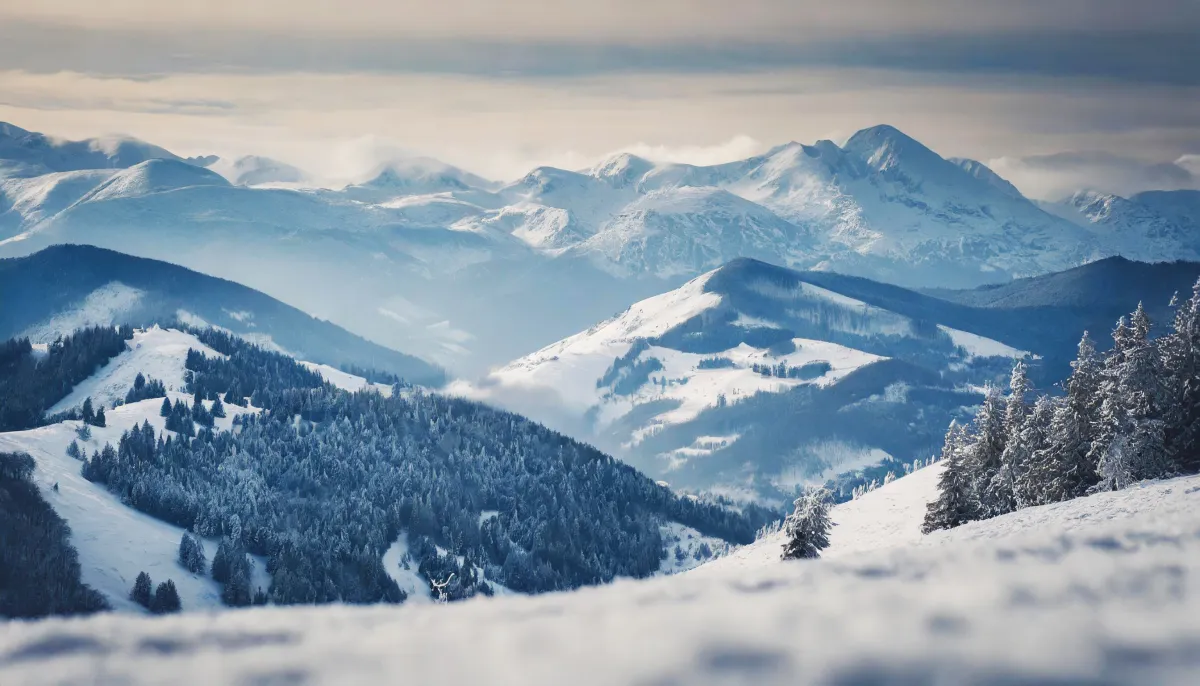
Is Poland good for skiing compared with the Alps?
Poland offers an interesting alternative to popular Alpine ski destinations, particularly for beginners, families and travellers planning shorter winter holidays. Although Polish ski resorts are generally smaller than the large ski areas in Austria, France, Switzerland or Italy, many offer modern lifts, well-maintained slopes and facilities for different skill levels.
The main differences between skiing in Poland and the Alps include:
- Size of ski areas: Most Polish resorts are smaller than major Alpine ski complexes. They can be a good choice for shorter trips, although advanced skiers may find fewer opportunities for long-distance skiing.
- Family-friendly facilities: Many Polish resorts offer beginner areas, ski schools, children's zones and relatively accessible slopes, making them suitable for families and people learning to ski.
- Modern infrastructure: Popular destinations such as Szczyrk, Białka Tatrzańska and Zieleniec have modern lift systems and developed tourist facilities. However, infrastructure and piste conditions vary between individual resorts.
- Snow conditions: Snow reliability can be more variable in Poland, particularly at lower altitudes. Weather conditions, snowfall and snowmaking facilities all influence how long slopes remain open.
- Prices: Ski passes, equipment rental and accommodation costs vary depending on the resort, travel dates and season. Poland may offer good value for some travellers, but it is worth comparing current prices with those of specific Alpine destinations before deciding.
Which destination should you choose?
Poland is worth considering if you want a shorter ski break, are travelling with children, or prefer smaller resorts with opportunities to explore local towns and regional attractions. Destinations such as Białka Tatrzańska, Zieleniec and Szczyrk offer a variety of slopes and facilities for different types of visitors.
The Alps may be a better choice if you are looking for extensive interconnected ski areas, very long descents, high-altitude skiing or a wider selection of challenging pistes.
Ultimately, the best destination depends on your skiing ability, budget, travel plans and expectations. Poland does not need to compete with the Alps in terms of scale to offer an enjoyable winter holiday.
See similar articles

Comments (0) Show comments